

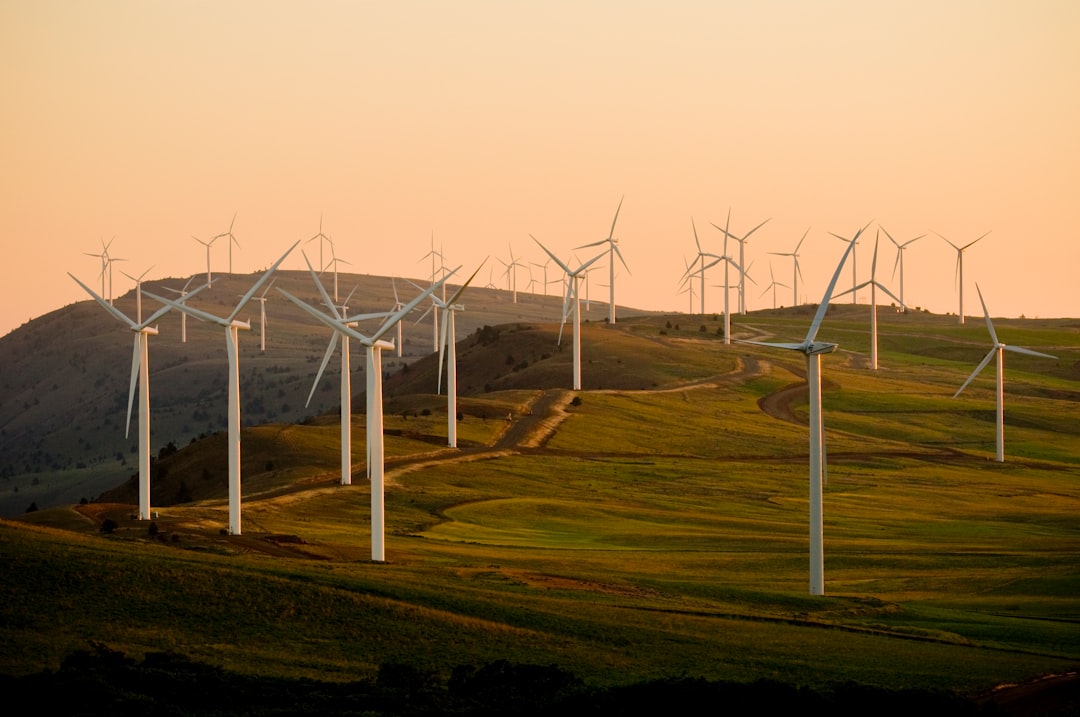
The global energy landscape is undergoing a seismic shift, driven by the urgent need to address climate change and reduce dependence on fossil fuels. Renewable energy sources like wind, solar, and hydroelectric power are at the forefront of this transformation. This article explores the current state of renewable energy, recent innovations, challenges faced, and the promising future of this critical sector.
Navigating the Renewable Energy Terrain
Diverse Sources of Clean Energy
Renewable energy encompasses a variety of sources, each with unique characteristics and applications. Key types include:
- Solar Energy: Harnessing sunlight through photovoltaic cells or solar thermal systems to generate electricity.
- Wind Energy: Utilizing wind turbines to convert wind kinetic energy into electricity.
- Hydroelectric Power: Generating electricity by exploiting the energy of flowing or falling water.
- Biomass Energy: Converting organic materials like agricultural waste into biofuels.
- Geothermal Energy: Tapping into the Earth’s internal heat for electricity and heating.
Global Adoption and Growth Trends
The global adoption of renewable energy has seen exponential growth over the last two decades. According to the International Energy Agency (IEA), renewables accounted for nearly 30% of global electricity generation in 2021, a figure set to rise as countries strive to meet climate targets. Reports from the International Renewable Energy Agency (IRENA) indicate that solar and wind are the fastest-growing sectors, driven by decreasing technology costs and supportive government policies.
Innovations Propelling Renewable Energy Forward
Cutting-Edge Solar Technologies
Recent advancements in solar technology have significantly bolstered efficiency and affordability. Innovations like bifacial solar panels, which capture sunlight on both sides, and perovskite solar cells, known for their high efficiency and low production costs, are revolutionizing solar energy [1].
Wind Turbine Enhancements
Wind energy is benefiting from advancements in turbine design and materials. The development of larger, more efficient offshore wind turbines has expanded the potential for wind power generation. Floating wind farms are also emerging as a viable solution for harnessing wind energy in deeper waters [2].
Energy Storage Breakthroughs
Energy storage is crucial for managing the intermittent nature of renewable sources. Lithium-ion batteries continue to dominate, but there is a growing interest in alternative technologies. Flow batteries, with their scalability and long lifespan, and solid-state batteries, promising higher energy density, are gaining traction [3].
Overcoming Challenges in Renewable Energy Deployment
Intermittency and Grid Integration
One of the primary hurdles in renewable energy is the intermittency of sources like solar and wind. This variability poses challenges for grid stability and reliability. Advanced grid management systems and smart grids are essential to balance supply and demand effectively [4].
Infrastructure and Investment Needs
Transitioning to a renewable energy economy requires significant infrastructure development and investment. The construction of new power plants, transmission lines, and storage facilities involves substantial upfront costs. However, long-term savings and environmental benefits make these investments worthwhile [5].
| Challenge | Description |
|---|---|
| Intermittency | Variability in energy supply from solar and wind sources. |
| Grid Integration | Need for advanced systems to ensure stable electricity supply. |
| Financial Investment | High initial costs for renewable infrastructure development. |
| Policy and Regulatory Hurdles | Inconsistent policies and regulations affecting renewable energy projects. |
The Role of Policy and Regulation
Government Incentives and Support
Effective policies and incentives play a vital role in promoting renewable energy adoption. Feed-in tariffs, tax credits, and subsidies have been instrumental in reducing financial barriers for renewable projects. The Paris Agreement has further galvanized global commitments to increase renewable energy capacity [6].
International Collaboration
Global cooperation is essential for the widespread adoption of renewable energy. International partnerships and knowledge sharing can accelerate technology transfer and capacity building, especially in developing countries. Organizations like the United Nations Framework Convention on Climate Change (UNFCCC) facilitate such collaborations [7].
Looking Ahead: The Future of Renewable Energy
Emerging Trends and Technologies
The future of renewable energy is bright, with several emerging trends and technologies set to reshape the industry:
- Green Hydrogen: Produced using renewable energy, green hydrogen is a promising alternative for decarbonizing sectors like transportation and industry.
- Artificial Intelligence: AI is increasingly being used to optimize energy production, storage, and consumption, enhancing efficiency and reducing costs.
- Carbon Capture and Storage: Integrating renewable energy with carbon capture technologies can mitigate emissions from existing fossil fuel infrastructure [8].
Long-Term Impact on Society and the Environment
The widespread adoption of renewable energy promises significant social and environmental benefits:
- Reduced Carbon Emissions: Transitioning to renewables is crucial for achieving net-zero emissions and mitigating climate change.
- Energy Independence: Countries can reduce reliance on imported fossil fuels, enhancing energy security.
- Job Creation: The renewable energy sector is a major source of employment, with opportunities in manufacturing, installation, and maintenance [9].
Frequently Asked Questions
What is the most efficient renewable energy source?
Solar and wind energy are among the most efficient, with ongoing advancements continuously improving their efficiency rates [10].
How do renewable energies impact electricity prices?
While the initial investment is high, renewable energies tend to lower electricity prices over time due to low operational costs and reduced fuel expenses [11].
Can renewable energy fully replace fossil fuels?
Transitioning to a fully renewable energy system is feasible, but it requires substantial infrastructure changes, policy support, and technological advancements [12].
What are the environmental impacts of renewable energy?
Renewable energy sources generally have minimal environmental impacts compared to fossil fuels, although they can affect local ecosystems during construction and operation [13].
How does renewable energy contribute to sustainability?
Renewable energy contributes to sustainability by reducing carbon emissions, promoting energy independence, and fostering economic growth through job creation [14].
Reflections on Renewable Energy’s Path Forward
The journey towards a sustainable energy future is complex, requiring coordinated efforts from governments, industries, and communities worldwide. By embracing technological innovations, overcoming challenges, and fostering international collaboration, renewable energy can play a pivotal role in creating a cleaner, more sustainable planet. As the world navigates this transition, the commitment to renewable energy will define the path toward a greener, more resilient future.
—
References:
- “Solar Energy Innovations,” National Renewable Energy Laboratory.
- “Offshore Wind Developments,” Global Wind Energy Council.
- “Advancements in Energy Storage,” Energy Storage Association.
- “Grid Management for Renewables,” U.S. Department of Energy.
- “Investment in Renewable Infrastructure,” International Finance Corporation.
- “Renewable Energy Policies,” International Energy Agency.
- “International Collaboration in Renewables,” United Nations.
- “Emerging Renewable Technologies,” World Resources Institute.
- “Job Creation in Renewable Energy,” International Renewable Energy Agency.
- “Efficiency of Renewable Energy Sources,” Lawrence Berkeley National Laboratory.
- “Impact of Renewables on Electricity Prices,” International Energy Agency.
- “Transitioning to Renewable Energy,” National Academy of Sciences.
- “Environmental Impacts of Renewables,” Environmental Protection Agency.
- “Sustainability and Renewable Energy,” World Wide Fund for Nature.
