

“`html
Remote work has transformed from a niche perk into a mainstream career reality, reshaping how professionals across industries manage their time, space, and productivity. Whether you’re transitioning from a traditional office or starting your first remote role, building a functional and ergonomic home workspace is essential to long-term success. This guide distills expert insights, tested tools, and practical strategies to help you design a remote work setup that enhances performance, comfort, and well-being. No gimmicksâjust actionable advice grounded in real-world experience and industry standards.
- Ergonomic setup: Invest in a supportive chair, desk at elbow height, and a monitor positioned at eye level to prevent strain.
- Dual monitors: Boost productivity by up to 50% with dual displaysâideal for multitasking and deep work sessions.
- Noise control: Use noise-canceling headphones or a white noise machine to minimize distractions in shared environments.
- High-speed internet: Prioritize a wired connection or a strong Wi-Fi 6 router to avoid lag during video calls and file uploads.
- Task automation: Leverage tools like Zapier or IFTTT to automate repetitive tasks and reclaim hours each week.
- Lighting setup: Position lamps at 45° angles to reduce screen glare and eye fatigue; consider adjustable LED lighting.
- Cloud storage: Use secure, encrypted platforms like Google Drive or Dropbox to protect sensitive work files and enable access from anywhere.
Why Your Remote Setup Matters More Than You Think
A poorly designed workspace can silently sabotage your productivity, energy, and health. Chronic back pain, eye strain, and mental fatigue often stem from ergonomic neglectânot workload. Conversely, a well-optimized setup fosters focus, comfort, and consistency. Studies from Stanford and Cornell show that ergonomic improvements can increase productivity by 11% and reduce discomfort-related absenteeism. This isnât about aesthetics; itâs about sustainability. Professionals in creative, technical, and managerial roles report fewer interruptions and higher output when their environment supports both their body and workflow.
Common Pitfalls to Avoid
- Treating your couch as a workstation: While convenient, it promotes slouching and reduces lumbar support over time.
- Ignoring lighting quality: Harsh overhead lights or glare on screens can cause eye strain and headaches within hours.
- Overlooking internet reliability: A single dropped call or frozen screen can derail client meetings and project deadlines.
- Skipping regular breaks: Sitting for more than 90 minutes without movement increases stiffness and reduces cognitive sharpness.
Essential Remote Work Tools: Hardware Edition
The right hardware transforms a makeshift corner into a professional hub. Prioritize investments based on your daily tasksâcreative professionals need color accuracy, while coders may prioritize keyboard responsiveness. Below are the non-negotiables and optional upgrades.
1. Monitors: Size, Resolution, and Ergonomics
Single monitors limit your ability to reference documents while working. Dual monitors create a seamless workflow, allowing you to dedicate one screen to research and another to active projects. For most professionals, 24-inch to 27-inch 4K monitors (3840Ã2160) offer the best balance of real estate and clarity. If youâre on a budget, two 22-inch 1080p displays are a practical alternative.
Setup Steps:
- Position the primary monitor directly in front of you, about an armâs length away.
- Place the secondary monitor at a 30° angle to your dominant side for intuitive side-by-side work.
- Use monitor arms to free up desk space and adjust height so the top of the screen is at or slightly below eye level.
- Enable ‘Display Scaling’ in your operating system to ensure text remains legible across both screens.
2. Keyboards and Mice: Precision Matters
A responsive keyboard and ergonomic mouse reduce wrist strain and typing fatigue. Mechanical keyboards (e.g., Keychron K3, Logitech MX Mechanical) offer tactile feedback and durability, while ergonomic mice like the Logitech MX Vertical or Microsoft Sculpt aim to align your hand and wrist in a natural position. If youâre frequently on calls, a headset with a noise-canceling microphone (e.g., Jabra Evolve 20) ensures clear communication without echo.
3. Ergonomic Chairs: Support for Long Sessions
Your chair is your most critical investment. Look for models with adjustable lumbar support, seat depth, and armrests. Popular options include the Herman Miller Aeron, Steelcase Gesture, and Autonomous ErgoChair Pro. Budget alternatives like the Hbada Office Chair offer lumbar pillows and reclining mechanisms. If budget is tight, consider a kneeling chair or balance ball as a temporary solutionâthough these require core engagement and may not suit everyone.
4. Desks: Stability and Height Adjustability
A sturdy desk prevents wobbling during typing or video calls. Standard desks are 29 to 30 inches tall, but standing desks (e.g., Uplift V2, FlexiSpot E1) allow you to alternate between sitting and standing, reducing pressure on your spine. If youâre renting or in a temporary space, a wall-mounted drop-leaf desk or a solid core door on sawhorses can serve as a temporary solution.
Software Stack: Streamline Your Workflow
The right software turns chaos into order. Below are the essential categories and recommended tools trusted by remote professionals in tech, marketing, design, and management.
1. Communication and Collaboration
- Slack: Organize conversations into channels by project or team; integrate with Google Drive and Zoom for seamless workflows.
- Microsoft Teams: Ideal for enterprises using Office 365; supports threaded chats, file sharing, and video conferencing.
- Zoom: Prioritize HD video, virtual backgrounds, and breakout rooms for large team meetings.
- Loom: Record quick screen or webcam videos to explain concepts without scheduling calls.
2. Project and Task Management
- Asana: Use for project timelines, task assignments, and progress tracking with visual dashboards.
- Trello: Simple Kanban-style boards for individual or small team workflows; integrate with Slack and Google Calendar.
- Notion: All-in-one workspace for note-taking, databases, and wikis; ideal for knowledge workers and freelancers.
- ClickUp: Combines tasks, goals, chat, and docs into a single platform with customizable views.
3. Time Management and Focus
- Toggl Track: Log time spent on tasks to identify productivity patterns and billable hours accurately.
- RescueTime: Runs in the background to track app usage and send weekly reports on focus trends.
- Forest: Gamifies focus sessions by growing a virtual tree; plant one to avoid using your phone.
- Focus@Will: Curates music and soundscapes scientifically optimized for concentration.
4. File Storage and Security
- Google Drive: Free 15GB storage with real-time collaboration; integrates seamlessly with Docs, Sheets, and Gmail.
- Dropbox: Secure file sharing with password protection and expiration dates for links.
- 1Password or Bitwarden: Generate and store strong, unique passwords; enable two-factor authentication across accounts.
- NordVPN or ProtonVPN: Encrypt internet traffic when using public Wi-Fi to protect sensitive data.
Designing Your Remote Workspace: Layout and Lighting
A functional layout minimizes transitions between tools and reduces cognitive load. Lighting, often overlooked, directly impacts your energy level and eye comfort.
1. Spatial Layout Principles
- Zoning: Divide your space into activity zonesâwork, calls, and breaks. Physical separation cues your brain when to focus.
- Desk Orientation: Face away from high-traffic areas to reduce visual distractions; if space is tight, use a room divider or bookshelf as a visual barrier.
- Cable Management: Use sleeves, clips, or under-desk trays to avoid clutter. Label cables with tape or tags for quick identification.
2. Lighting for Health and Productivity
Natural light is ideal, but not always available. Artificial lighting should mimic daylight without causing glare on screens. Position your desk perpendicular to windows to avoid direct sunlight hitting your screen. If artificial lighting is necessary:
- Use a desk lamp with a warm white LED bulb (2700Kâ3000K) for ambient lighting.
- Add a bias light behind the monitor to reduce eye strain during dark mode work sessions.
- Install blackout curtains to control glare and maintain consistent lighting throughout the day.
Ergonomics: Protect Your Body for the Long Term
Ergonomics isnât a luxuryâitâs a health investment. Repetitive strain injuries and chronic pain often develop gradually, making prevention critical.
1. Chair and Posture Fundamentals
- Seat Height: Adjust so your feet rest flat on the floor with knees at 90°; use a footrest if needed.
- Lumbar Support: Roll a small towel or use a lumbar cushion to maintain the natural curve of your lower back.
- Armrests: Keep elbows at 90° and shoulders relaxed; avoid resting wrists on hard surfaces.
2. Monitor and Screen Positioning
Your eyes should naturally focus on the center of the screen without tilting your head. Adjust the monitor height so the top third is at eye level. If using dual monitors, position the primary screen directly in front and the secondary at a slight angle. For laptop users, use a riser or stack of books to elevate the screen and connect an external keyboard and mouse.
3. Movement and Stretching Routines
Schedule micro-breaks every 30 to 60 minutes. Set a timer or use apps like Stretchly or Workrave to prompt short movements. Incorporate these stretches:
- Neck Rolls: Slowly roll your head in a circle to release tension in the cervical spine.
- Shoulder Shrugs: Lift shoulders toward ears, hold for 5 seconds, then release to relieve upper back tightness.
- Wrist Flexes: Extend arms forward, pull fingers back gently, then push forward to stretch forearms.
- Standing Walks: Every hour, walk for 2â3 minutes to boost circulation and reset focus.
Productivity Hacks: Work Smarter, Not Harder
Remote work thrives on self-discipline and systems. Small tweaks can yield outsized returns in focus and output. Below are field-tested strategies used by top remote professionals.
1. Time Blocking and the Pomodoro Technique
Time Blocking: Assign specific tasks to fixed time slots in your calendar. For example, block 9â11 AM for deep work, 1â2 PM for emails, and 3â4 PM for meetings. Tools like Google Calendar or Outlook support color-coded blocks.
Pomodoro Technique: Work in 25-minute focused intervals followed by 5-minute breaks. After four cycles, take a 15â30 minute break. Apps like Focus To-Do combine timers with task lists.
2. The Two-Monitor Power Move
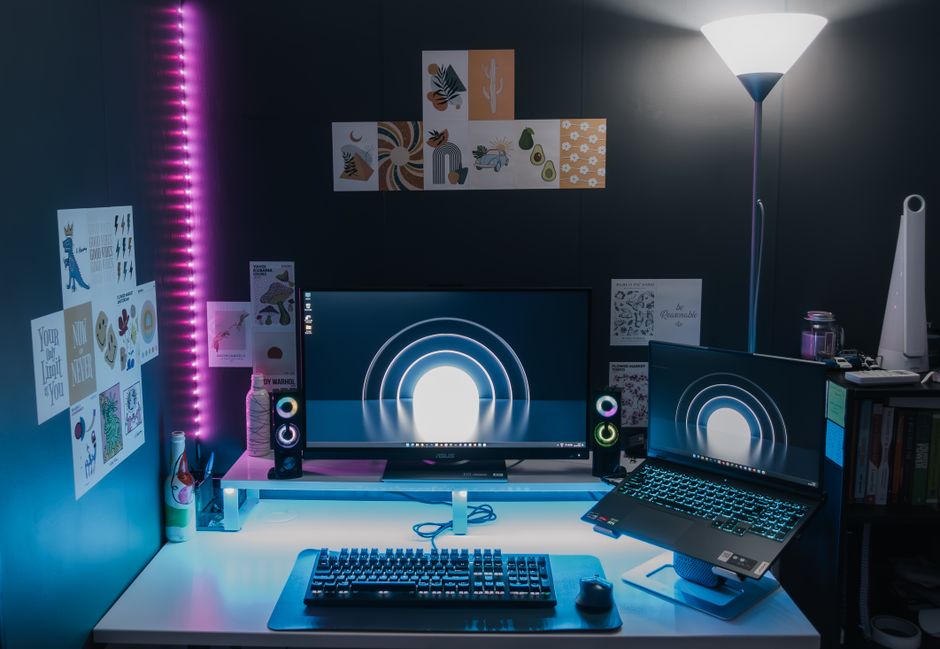
Dual monitors are not just for multitaskingâthey reduce context-switching. Use one screen for active work (e.g., code editors, design tools) and the other for reference (e.g., documentation, spreadsheets, chat apps). This setup can cut task completion time by 20â30%, according to user surveys.
3. Automate the Mundane
Repetitive tasks drain cognitive resources. Automate them with tools like:
- Zapier: Connect Gmail to Trello to auto-create cards from starred emails.
- IFTTT: Sync calendar events to a Google Sheet for time tracking.
- Text Expander: Create shortcuts for common phrases, signatures, or code snippets.
- Power Automate: Build workflows within Microsoft 365 to auto-save email attachments to OneDrive.
Even saving 10 minutes daily adds up to over 60 hours per yearâtime you can reinvest in high-value work or personal growth.
4. Batch Similar Tasks
Grouping similar tasks reduces mental switching costs. Dedicate a single block to administrative work (invoices, emails, reports) or creative work (writing, designing, coding). Batch processing improves efficiency and output quality by maintaining a consistent mental state.
Staying Connected: Social and Communication Tips
Isolation is the silent risk of remote work. Combat it with intentional connection strategies that preserve relationships without derailing productivity.
1. Structured Communication Cadence
- Daily Stand-ups: Short 10â15 minute video calls with your team to align on priorities and blockers.
- Weekly Syncs: Deeper dives into progress, challenges, and upcoming milestones.
- Monthly 1:1s: Scheduled time with managers or peers to discuss career growth and feedback.
2. Virtual Coworking Sessions
Create or join virtual coworking sessions via platforms like Focusmate or Tandem. These paired work sessions provide accountability and mimic the presence of colleagues. Pairing with someone in a similar time zone can boost motivation during low-energy periods.
3. Social Slack Channels
Encourage non-work conversations in dedicated Slack or Teams channels (e.g., #watercooler, #book-club). These spaces foster camaraderie and reduce the transactional feel of remote collaboration.
Security and Privacy: Safeguard Your Work Life
Remote work expands your attack surface. Protect sensitive data and systems with these essential practices.
1. Password Hygiene
- Use a password manager to generate and store unique passwords for each account.
- Enable two-factor authentication (2FA) on all critical accounts (email, cloud storage, banking).
- Avoid reusing passwords or storing them in unencrypted notes or spreadsheets.
2. Secure Network Practices
- Wi-Fi Security: Use WPA3 encryption on your router; change the default SSID and password.
- VPN Usage: Always use a VPN when accessing work networks from public Wi-Fi or shared spaces.
- Firewall and Antivirus: Keep your operating system, antivirus software, and firewall updated.
3. Device Hygiene
- Lock your screen when stepping away, even in a home office.
- Keep work and personal devices separate; use a dedicated laptop for sensitive tasks.
- Regularly update software to patch security vulnerabilities.
Frequently Asked Questions (FAQ)
Whatâs the minimum budget for a functional remote work setup?
A solid starter setup costs between $300 and $600. Prioritize a comfortable chair ($150â$250), a stable desk ($100â$200), a reliable mouse and keyboard ($50â$100), and a second monitor ($150â$300). If funds are tight, begin with a chair and monitor, then upgrade peripherals over time. Avoid cheap, wobbly furnitureâit leads to discomfort and distractions that cost more in lost productivity.
How do I stay motivated when working from home full-time?
Motivation fades without external structure. Start with a morning routine that signals the transition to work modeâshower, dress in work-appropriate clothes, and prepare a dedicated workspace. Use the â10-minute ruleâ: commit to working for just 10 minutes; once started, momentum often carries you forward. Track progress visually with a checklist or habit tracker. Finally, schedule regular breaks and physical activity to recharge your energy and prevent burnout.
Can I claim a tax deduction for my home office expenses if Iâm a W-2 employee?
Under current IRS rules, W-2 employees cannot deduct home office expenses due to the Tax Cuts and Jobs Act (2017â2025). However, self-employed individuals and independent contractors may qualify for the home office deduction if they use a portion of their home exclusively and regularly for business. Consult a tax professional to understand eligibility and documentation requirements for your specific situation.
Conclusion: Build Your Remote Work Foundation Today
Your remote work setup is the physical and digital scaffolding that supports your career growth. Itâs not a one-time purchaseâitâs an ongoing investment in your health, efficiency, and long-term success. Start with the essentials: a supportive chair, a dual-monitor display, reliable software, and a secure network. Then refine your environment based on your unique workflow and comfort needs. Pair these tools with intentional routines, structured communication, and regular movement to create a sustainable remote work lifestyle. The goal isnât perfection; itâs progress. Each small improvement compounds over time, transforming a chaotic corner into a powerhouse of productivity and well-being. Begin todayânot with a grand overhaul, but with a single step: adjust your chair, open your most important app, and start working on your terms.
“`
