

In today’s world, the conversation around energy consumption has gained momentum like never before. As the global demand for energy continues to rise, the need for sustainable and renewable energy sources becomes increasingly vital. This detailed guide will provide a thorough understanding of renewable energy, its benefits, challenges, and the future it holds for our planet.
What Is Renewable Energy?
Renewable energy refers to energy derived from natural processes that are replenished at a faster rate than they are consumed. The primary sources of renewable energy include:
- Solar energy: Capturing sunlight through solar panels.
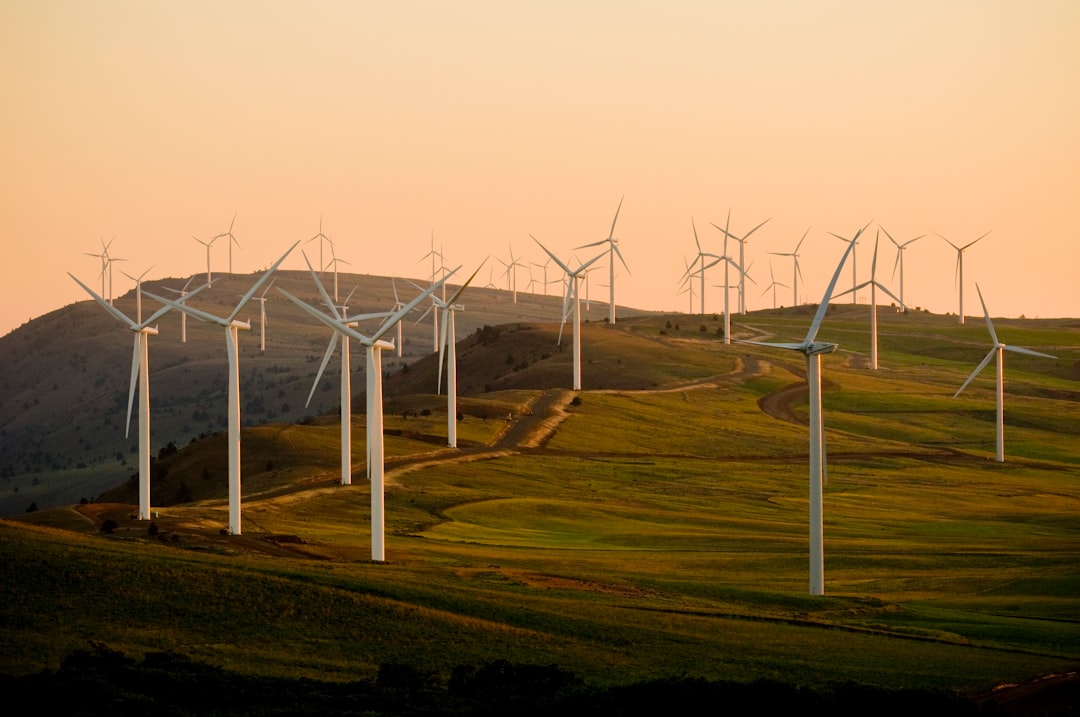
- Wind energy: Harnessing wind power via turbines.
- Hydro energy: Generating electricity from flowing water.
- Geothermal energy: Using heat from beneath the earth’s surface.
- Biomass energy: Converting organic materials into energy.
These sources are crucial in reducing carbon footprints and combating climate change, offering a sustainable alternative to fossil fuels.
The Advantages of Renewable Energy
Environmental Benefits
Renewable energy sources are instrumental in reducing greenhouse gas emissions. Unlike fossil fuels, which release carbon dioxide and other harmful gases, renewables offer a cleaner, more environmentally-friendly option. According to the International Energy Agency, renewables accounted for nearly 29% of global electricity generation in 2020, marking a significant step forward in environmental conservation.
Economic Impact
The renewable energy sector has become a significant driver of economic growth, creating jobs and reducing energy costs. The International Renewable Energy Agency reports that the sector employed over 11.5 million people worldwide in 2019, with numbers expected to increase as the industry expands.
Energy Security
By diversifying the energy supply and reducing dependency on imported fuels, renewable energy enhances energy security. Countries can harness local resources, reducing vulnerability to geopolitical tensions and market fluctuations.
Challenges Facing Renewable Energy Adoption
Intermittency and Reliability
One of the primary challenges of renewable energy is its intermittency. Solar and wind energy depend on weather conditions, which can be unpredictable. This variability can lead to reliability issues, making it essential to develop efficient energy storage systems.
High Initial Costs
The initial investment for renewable energy infrastructure can be significant. While costs have been decreasing, the upfront expenses for solar panels, wind turbines, and other technologies remain a barrier for widespread adoption.
Land and Resource Use
Large-scale renewable energy projects require significant land and resources, potentially leading to environmental and social concerns. For example, hydropower projects can disrupt ecosystems and displace communities.
A Comparative Look at Renewable Energy Sources
Below is a comparison table of different renewable energy sources, highlighting their key characteristics:
| Energy Source | Advantages | Disadvantages |
|---|---|---|
| Solar | Abundant, reduces electricity bills | Weather-dependent, requires space |
| Wind | Low operating costs, scalable | Noise, impacts wildlife, visual impact |
| Hydro | Reliable, low emissions | High initial cost, ecological impact |
| Geothermal | Consistent, small footprint | Location-specific, high initial cost |
| Biomass | Reduces waste, versatile | Emissions, land use |
Innovations Driving Renewable Energy Forward
Advanced Energy Storage
The development of advanced batteries and storage solutions is critical for managing energy supply and demand. Lithium-ion and flow batteries are leading the way, with continuous research focused on improving efficiency and reducing costs. The U.S. Department of Energy actively supports initiatives to enhance energy storage technologies.
Smart Grids
Smart grids use digital technology to optimize electricity distribution, making it easier to integrate renewable energy sources. These grids improve reliability and efficiency, enabling better demand management and reducing outages.
Offshore Wind Farms
Offshore wind farms present a promising opportunity to harness wind energy in areas where land is scarce. These farms can generate large amounts of power while minimizing the impact on inhabited areas.
Government Policies and Global Trends
Policy Incentives
Governments worldwide are implementing policies to encourage renewable energy adoption. Tax credits, subsidies, and feed-in tariffs are some of the measures used to promote investment in clean energy technologies.
Global Collaborations
International cooperation is essential for addressing climate change. Agreements like the Paris Agreement aim to unite countries in reducing emissions and promoting sustainable energy practices.
Emerging Markets
Emerging markets are increasingly investing in renewable energy, recognizing its potential for economic growth and energy independence. Countries like China, India, and Brazil are leading the charge with ambitious renewable energy targets.
Frequently Asked Questions About Renewable Energy
How does renewable energy help reduce carbon emissions?
Renewable energy sources produce little to no carbon emissions, unlike fossil fuels. By replacing fossil fuels with renewables, we can significantly reduce the amount of carbon dioxide released into the atmosphere.
What are the most effective ways to store renewable energy?
Advanced battery technologies, such as lithium-ion and flow batteries, are among the most effective ways to store renewable energy. Pumped hydro storage and compressed air energy storage are also viable options.
Can renewable energy completely replace fossil fuels?
While renewable energy has the potential to significantly reduce dependence on fossil fuels, a complete transition requires technological advancements, infrastructure development, and policy support.
What role do governments play in promoting renewable energy?
Governments play a crucial role by implementing policies that encourage investment in renewable energy. They can provide financial incentives, set regulatory standards, and support research and development efforts.
How does renewable energy impact local communities?
Renewable energy projects can create job opportunities, enhance energy security, and reduce local pollution. However, they can also pose challenges, such as land use conflicts and ecological impacts.
The Future of Renewable Energy
The future of renewable energy is bright, with technology and innovation paving the way for a cleaner, more sustainable world. As countries continue to recognize the importance of addressing climate change, investment in renewable energy is expected to grow. By overcoming current challenges and embracing new opportunities, we can build a resilient energy system that benefits both the environment and the global economy.
For further reading, consider visiting authoritative sources like the World Energy Council and the Renewable Energy Policy Network for the 21st Century.
In the coming years, renewable energy will not only play a crucial role in reducing emissions but also in shaping a sustainable future for generations to come. By investing in clean energy technologies and infrastructure today, we can ensure a healthier planet and a thriving economy tomorrow.
