

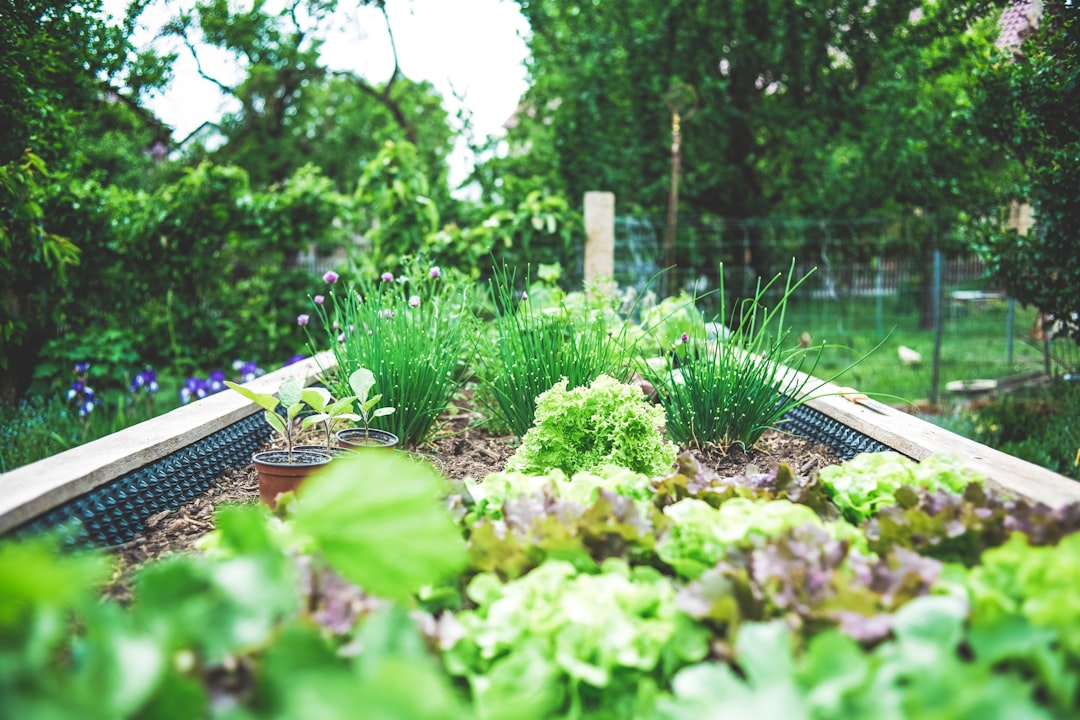
Urban farming has transformed from a niche interest into a vital component of sustainable city living. As cities expand and populations grow, the necessity for sustainable food sources within urban environments becomes increasingly clear. This guide provides a thorough exploration of urban farming, covering its significance, techniques, and the impact it has on communities and the environment.
The Rise of Urban Agriculture: A Modern Necessity
Urban agriculture is not merely a trend but a response to the pressing challenges of food security and environmental sustainability in densely populated areas. This movement has gained traction for several reasons:
- Population Growth: With over half the world’s population residing in urban areas, the demand for locally sourced food has increased.
- Environmental Concerns: Urban farming reduces the carbon footprint associated with transporting food from rural to urban areas.
- Community Engagement: It fosters community spirit, providing educational opportunities and promoting healthy lifestyles.
Urban Farming Techniques: Diverse Approaches to City Cultivation
Urban farming encompasses several methods, each suited to different environments and resources. Below are some key techniques:
1. Vertical Farming
Vertical farming involves growing crops in stacked layers, often incorporating hydroponic or aeroponic systems. This method maximizes space efficiency, making it ideal for urban settings where horizontal space is limited.
- Advantages:
- Space-efficient, suitable for indoor and rooftop setups.
- Controlled environment reduces pesticide use.
- Challenges:
- High initial setup costs.
- Requires significant energy for lighting and climate control.
2. Hydroponics and Aquaponics
Hydroponics involves growing plants without soil, using nutrient-rich water solutions, while aquaponics combines this with aquaculture, raising fish alongside plants.
- Hydroponics: Allows precise nutrient management and faster plant growth.
- Aquaponics: Creates a symbiotic environment, reducing waste and maximizing resource use.
3. Community Gardens
Community gardens are shared plots where individuals cultivate their own sections. They are often supported by local governments or non-profits.
- Benefits:
- Enhances community cohesion.
- Provides fresh produce access in food deserts.
- Considerations:
- Requires community involvement and maintenance.
- Potential for land use conflicts in densely populated areas.
Environmental and Social Benefits of Urban Farming
Urban farming significantly impacts both the environment and social structures within cities. Here are some critical benefits:
Environmental Impact
- Reduction in Food Miles: By growing food locally, urban farming decreases the distance food travels, reducing greenhouse gas emissions.
- Biodiversity Enhancement: Cultivating a variety of plants supports urban biodiversity, providing habitats for pollinators and other wildlife.
- Waste Management: Urban farms can utilize organic waste for composting, reducing landfill contributions.
Social and Economic Benefits
- Food Security: Urban farms offer access to fresh, nutritious food, crucial for low-income communities.
- Job Creation: They generate employment opportunities in agriculture, technology, and education sectors.
- Education and Wellness: They serve as educational sites, offering programs on sustainable practices and nutrition, and promoting mental and physical health through gardening activities.
Challenges and Considerations in Urban Farming
Despite its benefits, urban farming faces several challenges that must be addressed to ensure its sustainability:
Regulatory and Zoning Issues
- Land Use Regulations: Urban farmers often encounter strict zoning laws that limit the use of land for agricultural purposes.
- Health and Safety Standards: Ensuring compliance with food safety regulations can be complex and costly.
Economic Viability
- Cost of Production: Urban farming can be expensive due to high land and infrastructure costs, potentially impacting profitability.
- Market Access: Developing robust distribution networks to sell produce can pose challenges.
Urban Farming Case Studies: Success Stories from Around the World
Exploring successful urban farming initiatives provides insight into best practices and innovative approaches that can be adapted globally.
Singapore’s Urban Agriculture Movement
Singapore, with its limited land, has embraced vertical farming to enhance food security. Companies like Sky Greens have developed high-tech vertical systems that produce vegetables with minimal environmental impact.
Detroit’s Urban Gardening Renaissance
In Detroit, urban farming has revitalized vacant lots, transforming them into productive community gardens that provide fresh produce and foster community resilience.
Havana’s Organopónicos
Cuba’s capital city, Havana, has established organopónicos—urban organic gardens—across the city, serving as a model for sustainable urban agriculture in resource-constrained environments.
Comparative Analysis: Urban Farming Techniques
| Technique | Space Efficiency | Initial Cost | Environmental Impact | Scalability |
|---|---|---|---|---|
| Vertical Farming | High | High | Moderate | High |
| Hydroponics | Moderate | Moderate | High | Moderate |
| Community Gardens | Low | Low | High | Moderate |
Frequently Asked Questions About Urban Farming
What types of crops can be grown in urban farms?
Urban farms can support a wide range of crops, from leafy greens and herbs to fruits and root vegetables. The choice depends on the farming technique and available space.
How can urban farming be implemented in small spaces?
Techniques such as vertical farming and hydroponics are particularly suited for small spaces. Additionally, container gardening on balconies or rooftops can effectively utilize limited areas.
Are urban farms profitable?
Profitability varies based on factors like location, scale, and market access. While some urban farms are community-focused and non-profit, others operate commercially, offering niche products to local markets.
What role do governments play in supporting urban farming?
Governments can provide support through grants, policy incentives, and technical assistance, as well as by easing zoning restrictions to encourage urban agriculture.
Is urban farming sustainable long-term?
When integrated with sustainable practices and supported by policy frameworks, urban farming can be a long-term solution to urban food security and environmental challenges.
Future of Urban Farming: Innovations and Trends
The future of urban farming lies in technological advancements and innovative practices that enhance efficiency and sustainability:
- Automation and AI: Leveraging technology for crop monitoring and management.
- Integrated Urban Planning: Incorporating green spaces and agriculture into city designs.
- Circular Economy Models: Utilizing urban waste streams for composting and energy production.
Urban farming holds the potential to reshape urban landscapes, fostering a greener, more self-sufficient future. By understanding and addressing its challenges and leveraging innovative practices, cities can create resilient food systems that benefit both people and the planet.
