

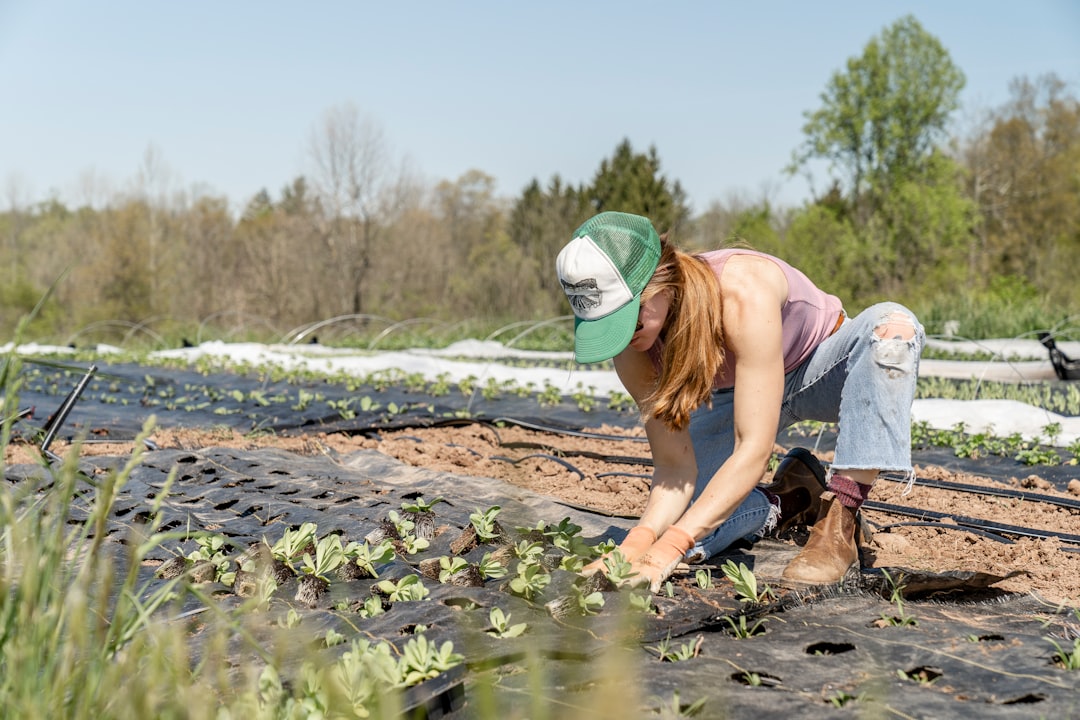
In recent years, organic farming has emerged as a beacon of sustainability in the agricultural sector. As global awareness about environmental issues and health consciousness grows, more individuals and organizations are turning towards organic methods to cultivate food. This article delves into the world of organic farming, unraveling its principles, benefits, challenges, and future prospects.
The Foundations of Organic Farming
Organic farming is a method of agriculture that prioritizes the health of ecosystems, biodiversity, and cycles adapted to local conditions. It forgoes synthetic fertilizers, pesticides, and genetically modified organisms (GMOs), opting instead for natural alternatives.
Core Principles of Organic Farming
- Soil Health: Emphasizes the importance of maintaining soil fertility through natural means such as composting, green manure, and crop rotation.
- Biodiversity: Encourages a diverse ecosystem to enhance resilience against pests and diseases.
- Ecological Balance: Aims to create a harmonious relationship between agriculture and nature.
- Sustainability: Focuses on long-term agricultural productivity without compromising the environment.
Benefits of Embracing Organic Agriculture
Organic farming offers a myriad of advantages that extend beyond the farm to the broader environment and society.
Environmental Impact
- Reduced Pollution: By eliminating synthetic chemicals, organic farming reduces water and soil contamination.
- Climate Change Mitigation: Organic practices enhance carbon sequestration in soil, helping combat climate change.
- Wildlife Conservation: Preserves natural habitats and promotes biodiversity, vital for ecological balance.
Economic and Social Benefits
- Market Demand: With the rise in health-conscious consumers, organic products often command higher prices, providing better income for farmers.
- Community Health: Reduces exposure to harmful chemicals for both farmers and consumers.
- Rural Development: Supports local economies by promoting small-scale farming and community-based initiatives.
Challenges Facing Organic Farmers
Despite its benefits, organic farming is not without its challenges. Understanding these hurdles can help devise strategies to overcome them.
Economic Challenges
- High Initial Costs: Transitioning to organic farming often requires significant investment in new equipment and training.
- Market Access: Small-scale farmers may struggle to access lucrative markets or certification processes due to cost and complexity.
Agricultural Challenges
- Pest and Disease Management: Without synthetic pesticides, organic farmers must rely on integrated pest management strategies, which can be labor-intensive.
- Yield Variability: Organic yields can be lower compared to conventional farming, particularly during the transition period.
Comparative Analysis: Organic vs. Conventional Farming
To better understand the distinctions and similarities between organic and conventional farming, a comparative analysis can be helpful.
| Aspect | Organic Farming | Conventional Farming |
|---|---|---|
| Chemicals | Natural fertilizers and pest control | Synthetic chemicals and fertilizers |
| Biodiversity | High biodiversity and ecosystem balance | Often monoculture, which can lead to biodiversity loss |
| Soil Health | Emphasizes soil regeneration and natural fertility | Intensive use of chemicals can deplete soil health |
| Environmental Impact | Lower pollution and better carbon sequestration | Higher pollution and carbon emissions |
| Market | Niche markets with premium pricing | Mass markets with competitive pricing |
Best Practices for Successful Organic Farming
To thrive in organic agriculture, adopting best practices is essential. Here are some strategies that can enhance productivity and sustainability.
Crop Rotation and Diversity
- Crop Rotation: Alternating different crops in the same field to break pest cycles and improve soil health.
- Intercropping: Growing multiple crops in proximity to enhance biodiversity and reduce pest outbreaks.
Natural Pest Management
- Beneficial Insects: Employing natural predators like ladybugs and parasitic wasps to control pest populations.
- Botanical Pesticides: Utilizing plant-based substances such as neem oil for pest control.
Soil Management Techniques
- Composting: Recycling organic waste to create nutrient-rich compost for fertilization.
- Cover Cropping: Planting cover crops like clover to prevent erosion and fix nitrogen in the soil.
The Future of Organic Farming
The future of organic farming lies in innovation and adaptation. As the global population continues to grow, the demand for sustainable food production methods will only intensify.
Technological Advancements
- Precision Agriculture: Using technology to optimize resource use and increase efficiency in organic farming.
- Biotechnology: Developing natural biopesticides and biofertilizers to improve crop resilience and yield.
Policy and Regulation
- Supportive Policies: Governments can encourage organic farming through subsidies, research funding, and educational programs.
- Certification and Standards: Simplifying certification processes and ensuring stringent standards to build consumer trust.
Frequently Asked Questions
What defines a farm as organic?
A farm is considered organic when it adheres to specific standards that prohibit synthetic chemicals, promote biodiversity, and maintain ecological balance. Certification bodies ensure compliance with these standards.
How does organic farming impact the environment?
Organic farming has a positive impact on the environment by reducing pollution, increasing biodiversity, and improving soil health. It also contributes to climate change mitigation through enhanced carbon sequestration.
Are organic products healthier?
While organic products are often perceived as healthier due to the absence of synthetic chemicals, nutritional differences compared to conventional products are still debated. However, the reduced exposure to pesticides is a significant health benefit.
Is organic farming economically viable?
Organic farming can be economically viable, especially with the growing demand for organic products. It often requires initial investments and can have lower yields, but premium pricing and improved market access can offset these challenges.
What is the role of technology in organic farming?
Technology plays a crucial role in enhancing the efficiency of organic farming. Precision agriculture, biotechnology, and advancements in pest control and soil management can help overcome traditional challenges.
Reflecting on the Organic Journey
As organic farming continues to gain momentum, its role in shaping a sustainable future becomes increasingly evident. It offers a holistic approach to agriculture, balancing economic viability with environmental stewardship and social responsibility. By embracing innovation and fostering supportive policies, the organic movement can lead the way towards a healthier planet and a more resilient food system.
For those interested in further exploring organic farming, resources such as the Rodale Institute and the Organic Trade Association offer valuable insights and support. Through continuous learning and adaptation, the potential of organic farming to transform agriculture is boundless.
