

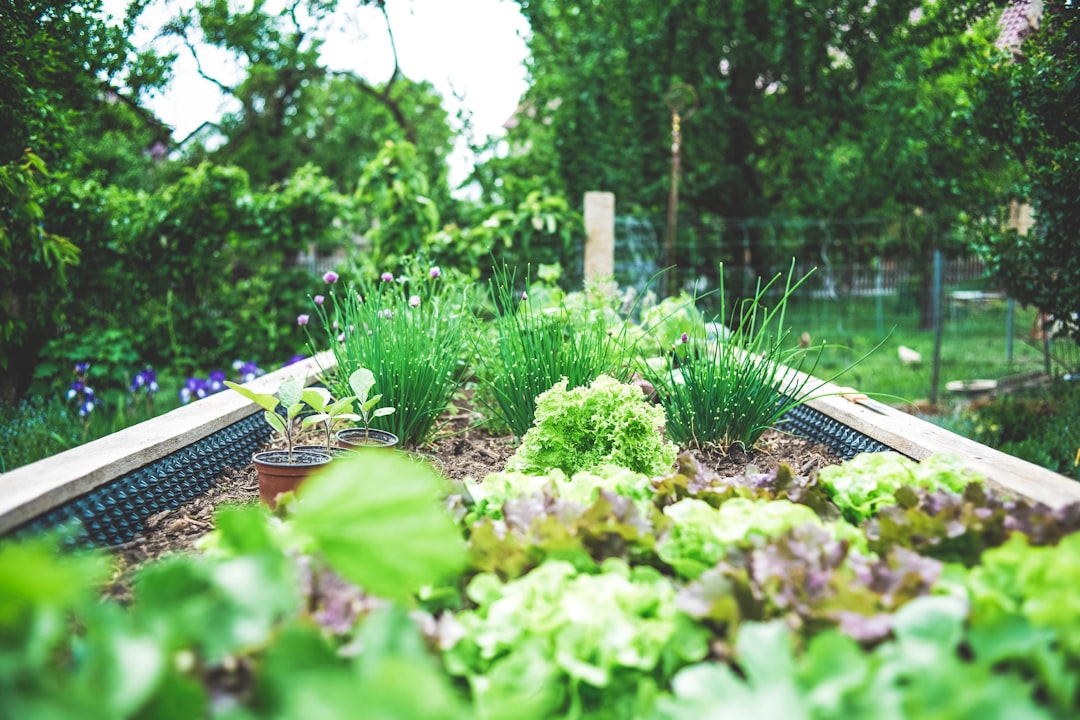
Urban farming is revolutionizing how cities approach food production and environmental sustainability. With a growing global population and increasing urbanization, it has become a crucial component for cities to address food security, reduce carbon footprints, and promote community well-being. In this article, we will explore every facet of sustainable urban farming, from innovative practices to its impact on society and the environment, providing a holistic view of its current landscape and future potential.
The Rise of Urban Agriculture: A Modern Necessity
Urban agriculture has surged in popularity as cities strive to become more resilient against global challenges such as climate change, food shortages, and economic instability. This movement is not just about growing plants within city limits; it represents a paradigm shift towards sustainability and self-reliance.
Historical Context and Evolution
Urban farming is not a new concept. Historically, it has played a role in city planning, especially during times of war and economic hardship. Victory gardens during World War II are a prime example, where citizens grew food in backyards and public spaces to support the war effort. Today, urban farming has evolved, incorporating advanced technologies and sustainable practices to meet contemporary needs.
Key Drivers of Urban Farming
Several factors have contributed to the rise of urban farming:
- Environmental Concerns: Reducing carbon emissions by minimizing transportation of food.
- Health Benefits: Providing fresh, organic produce to urban residents.
- Economic Opportunities: Creating jobs and fostering local economies.
- Community Engagement: Strengthening community ties through collective gardening efforts.
For further insights on urban agriculture trends, resources like the Food and Agriculture Organization provide valuable information on global food systems.
Innovative Practices Shaping Urban Farming
The modern urban farming landscape is characterized by a mix of traditional methods and cutting-edge technologies. These innovations are paving the way for efficient and sustainable food production.
Vertical Farming: Maximizing Space Efficiency
Vertical farming is a method where crops are grown in stacked layers, often integrated into urban structures such as buildings and shipping containers. This approach maximizes space usage and allows for year-round production. According to a study by the Journal of Cleaner Production, vertical farming can reduce water usage by up to 70% compared to traditional methods.
Hydroponics and Aquaponics: Water-Efficient Solutions
Hydroponics involves growing plants in nutrient-rich water solutions without soil, while aquaponics combines aquaculture (raising fish) with hydroponics. These systems are highly efficient, using 90% less water than conventional agriculture. Resources like the Aquaponics Association offer extensive knowledge on implementing these systems effectively.
Rooftop Gardens: Turning Underutilized Spaces into Green Oases
Rooftop gardens transform otherwise barren urban rooftops into productive green spaces. These gardens not only produce food but also help insulate buildings, reduce stormwater runoff, and improve air quality. The Green Roofs for Healthy Cities organization provides case studies and guidelines for developing successful rooftop gardens.
Social and Economic Impacts of Urban Farming
Urban farming is more than just an environmental initiative; it has significant social and economic implications that contribute to the fabric of urban life.
Enhancing Food Security
By increasing the availability of fresh produce within city limits, urban farming addresses food deserts—areas with limited access to affordable, nutritious food. This is crucial for low-income communities where transportation to distant grocery stores may be a barrier.
Creating Economic Opportunities
Urban farms create jobs and entrepreneurial opportunities in agriculture, food processing, and distribution. They also stimulate local economies by keeping food dollars within the community. The US Department of Agriculture highlights numerous programs that support urban agriculture initiatives through grants and technical assistance.
Fostering Community Engagement
Urban farms often serve as community hubs where residents can learn about sustainable practices, participate in workshops, and volunteer. This fosters a sense of ownership and pride, strengthening community bonds. Organizations like GrowNYC provide resources and support for community-based urban farming projects.
Environmental Benefits and Challenges
While urban farming offers numerous environmental benefits, it also presents unique challenges that must be addressed to ensure its sustainability and scalability.
Reducing Carbon Footprint
By localizing food production, urban farming significantly cuts down on transportation emissions. It also promotes biodiversity within urban areas, offering habitats for pollinators and other wildlife.
Urban Heat Island Mitigation
The urban heat island effect, where cities are warmer than surrounding rural areas due to human activities, can be mitigated through green spaces provided by urban farms. These spaces help cool cities, reducing the need for air conditioning and lowering energy consumption.
Challenges in Urban Farming
Despite its benefits, urban farming faces challenges such as:
- Soil Contamination: Urban soils can be polluted with heavy metals and other contaminants, posing risks to food safety.
- Zoning and Policy Barriers: Navigating local regulations can be complex and may limit the growth of urban farming initiatives.
- Resource Constraints: Access to land, water, and funding can hinder the expansion and sustainability of urban farms.
For comprehensive strategies on overcoming these challenges, the Environmental Protection Agency offers guidance on safe urban farming practices and policies.
A Comparative Look: Traditional vs. Urban Farming
To better understand the advantages and limitations of urban farming, it’s essential to compare it with traditional agricultural practices.
| Aspect | Traditional Farming | Urban Farming |
|---|---|---|
| Land Use | Extensive rural land | Limited urban spaces |
| Water Use | High | Efficient (e.g., hydroponics) |
| Carbon Footprint | High transportation emissions | Reduced due to local production |
| Biodiversity | Often monoculture | Diverse plant species |
| Economic Impact | Rural economies | Local urban economies |
| Food Security | Dependent on supply chains | Increased local availability |
FAQs: Addressing Common Questions About Urban Farming
What is the main goal of urban farming?
Urban farming aims to produce food sustainably within city environments, enhance food security, reduce environmental impacts, and strengthen community connections.
How does urban farming contribute to sustainability?
Urban farming reduces the carbon footprint of food production, promotes biodiversity, and utilizes sustainable practices like hydroponics and vertical gardening.
Is urban farming economically viable?
Yes, urban farming can be economically viable by creating jobs, supporting local businesses, and reducing food transportation costs.
What are some common challenges in urban farming?
Challenges include soil contamination, zoning restrictions, and resource constraints such as land and water access.
How can individuals support urban farming initiatives?
Individuals can participate in community gardening projects, advocate for supportive policies, and choose locally produced food to support urban farmers.
Final Thoughts and Future Prospects
As cities continue to grow, urban farming represents a beacon of hope for a sustainable and self-sufficient future. By integrating innovative technologies and fostering community involvement, urban farming not only addresses immediate food security concerns but also offers a long-term vision for resilient urban ecosystems. The future of urban farming lies in collaborative efforts among governments, communities, and individuals to transform urban landscapes into thriving, sustainable food systems. As we move forward, the collective commitment to urban agriculture will be vital in building a greener, more equitable world for future generations.
