

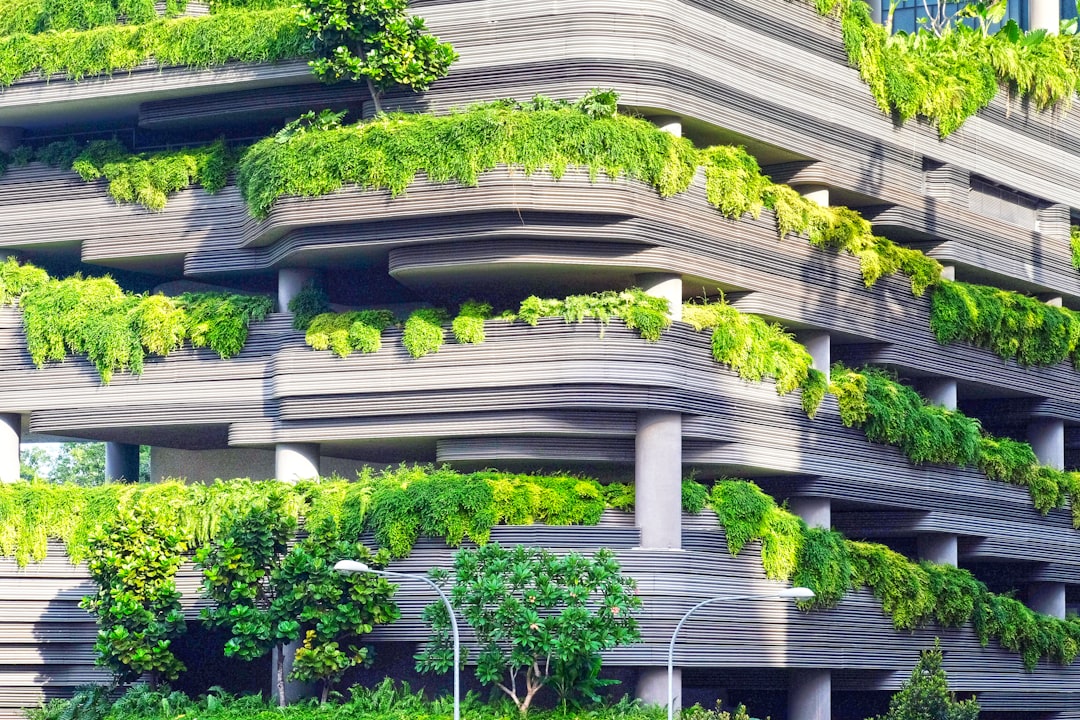
Urban gardening has emerged as a vital component in the ecological and social fabric of cities worldwide. As urban areas continue to expand, the need for green spaces becomes more apparent. Urban gardening not only beautifies cities but also provides practical benefits such as enhancing biodiversity, reducing urban heat, and promoting food security. This guide explores various aspects of sustainable urban gardening, offering expert insights, practical advice, and real-world examples to inspire city dwellers to cultivate green havens.
The Rise of Urban Gardening: A Brief Overview
Urban gardening is not a new concept. Historically, city dwellers have utilized available spaces for growing food and ornamental plants. However, the modern urban gardening movement has gained momentum as cities face challenges like climate change, pollution, and food scarcity.
- Historical Context: During World War II, victory gardens were popular in urban areas to supplement food rations. Today, urban gardening reflects a similar spirit of self-sufficiency and sustainability.
- Current Trends: The pandemic has accelerated interest in urban gardening as people seek therapeutic outdoor activities and ways to ensure food security.
Transforming Urban Spaces: The Mechanics of Urban Gardening
Urban gardening can take many forms, from traditional ground gardens to innovative vertical systems. Understanding the mechanics of these gardens is crucial for success.
Types of Urban Gardens
- Community Gardens: Shared spaces where residents collaborate to grow plants. They foster community spirit and provide fresh produce.
- Rooftop Gardens: Utilize the often-unused space on building rooftops. They help insulate buildings, reduce stormwater runoff, and improve air quality.
- Vertical Gardens: Ideal for small spaces, these gardens use vertical structures to grow plants. They can be installed on walls and balconies.
- Container Gardens: Perfect for balconies and patios, container gardening allows flexibility and is easy to manage.
Essential Components for Success
- Soil and Compost: Healthy soil is the foundation of any garden. Urban gardeners often use raised beds with imported soil to avoid contamination from urban pollutants.
- Water Management: Efficient watering systems like drip irrigation and rainwater harvesting are crucial in urban settings with limited water resources.
- Sunlight and Shade: Understanding the sunlight patterns of your space can dictate plant selection and garden placement.
The Benefits of Urban Gardening: More Than Just Green Spaces
Urban gardening offers a multitude of benefits that extend beyond aesthetics.
Environmental Impact
- Biodiversity: Urban gardens attract pollinators like bees and butterflies, supporting local ecosystems.
- Air Quality: Plants filter pollutants and release oxygen, improving air quality in densely populated areas.
Social and Economic Benefits
- Community Building: Gardens provide a communal space for neighbors to connect, collaborate, and share resources.
- Economic Savings: Growing your own vegetables and herbs can significantly reduce grocery bills.
Health and Well-being
- Mental Health: Gardening is a therapeutic activity that reduces stress and improves mental health.
- Physical Health: Regular gardening is a form of moderate exercise, promoting physical well-being.
Challenges and Solutions in Urban Gardening
Urban gardening is not without its challenges. However, with proactive measures and innovative solutions, these obstacles can be overcome.
Common Challenges
- Limited Space: Urban areas often lack adequate space for traditional gardens.
- Soil Contamination: Many urban soils are contaminated with heavy metals and other pollutants.
- Water Scarcity: Access to water can be a limiting factor, especially in cities with restrictive water usage policies.
Practical Solutions
- Innovative Design: Utilize vertical and container gardening techniques to maximize space.
- Soil Testing and Remediation: Regular soil testing can identify contamination, and raised beds with clean soil can mitigate risks.
- Efficient Irrigation Systems: Implement drip irrigation and rainwater collection to conserve water.
Urban Gardening Techniques: From Planning to Harvest
Successfully cultivating an urban garden requires thoughtful planning and execution.
Planning Your Urban Garden
- Site Assessment: Evaluate sunlight, space, and accessibility. Consider proximity to water sources and potential shade from buildings.
- Plant Selection: Choose plants that thrive in your local climate and fit the available space. Consider native plants for better resilience and support for local wildlife.
Planting and Maintenance
- Soil Preparation: Use organic compost to enrich the soil and improve plant health.
- Pest and Disease Management: Implement integrated pest management (IPM) strategies to minimize chemical use.
- Regular Maintenance: Consistent watering, pruning, and monitoring are essential to keep your garden thriving.
Harvesting and Utilization
- Harvest Timing: Learn the optimal time to harvest each plant to maximize yield and flavor.
- Preservation Techniques: Explore methods like canning, drying, and freezing to extend the life of your produce.
Case Study: Innovative Urban Gardening Projects
The High Line, New York City
The High Line is a prime example of transforming unused urban space into a vibrant green walkway. This elevated linear park, built on a historic freight rail line, showcases native plants and draws millions of visitors annually, proving the potential of urban gardening to revitalize cityscapes.
Urban Agriculture in Detroit
Detroit has embraced urban agriculture as a means of revitalizing the city. Vacant lots have been transformed into productive urban farms, providing fresh produce, creating jobs, and fostering community engagement.
Comparison Table: Urban Gardening Methods
| Urban Gardening Method | Space Efficiency | Initial Cost | Maintenance Level | Ideal For |
|---|---|---|---|---|
| Community Gardens | Moderate | Low | Medium | Social Interaction |
| Rooftop Gardens | High | High | Low | Energy Savings |
| Vertical Gardens | Very High | Medium | Medium | Small Spaces |
| Container Gardens | High | Low | High | Flexibility |
Frequently Asked Questions About Urban Gardening
What are the best plants for urban gardens?
Herbs like basil and mint, leafy greens such as lettuce and spinach, and compact fruits like strawberries are excellent choices for urban gardens.
How can urban gardeners deal with pests without chemicals?
Utilize natural predators, companion planting, and organic solutions like neem oil to manage pests sustainably.
Is urban gardening expensive?
While initial setup costs can vary, many urban gardening methods, like container gardening, offer budget-friendly options.
Can urban gardens contribute to food security?
Yes, urban gardens can significantly enhance food security by providing fresh, locally grown produce.
The Future of Urban Gardening: A Green Revolution
As urbanization continues to rise, the role of urban gardening will become increasingly significant. By embracing innovative gardening techniques and fostering community partnerships, cities can transform into greener, healthier environments. Urban gardening is more than a trend; it is a sustainable solution that addresses ecological, social, and economic challenges in urban areas. By cultivating these green spaces, city dwellers contribute to a thriving urban ecosystem and a more sustainable future.
In the coming years, expect to see urban gardening integrate with smart city initiatives, using technology to optimize water use, monitor plant health, and engage communities through digital platforms. The future is bright for urban gardening, promising a greener, more sustainable urban life.
