

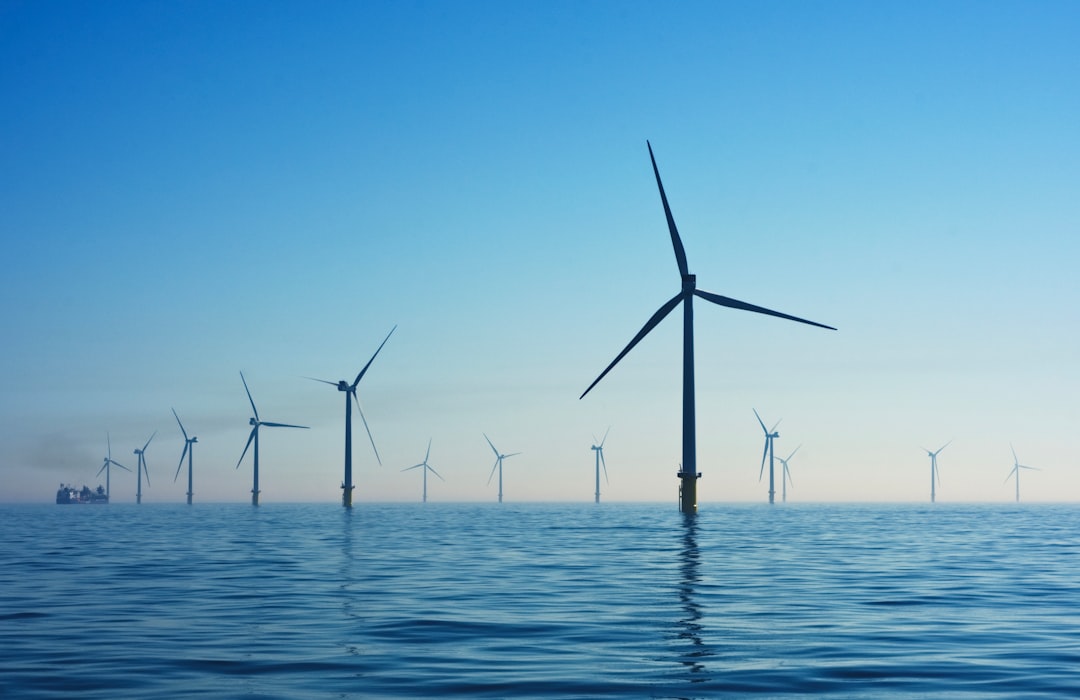
The transition to renewable energy sources has rapidly gained momentum in the past decade, driven by the urgent need to address climate change, reduce greenhouse gas emissions, and secure sustainable energy supplies. As the world faces unprecedented environmental challenges, the future of renewable energy becomes a cornerstone in the global pursuit of sustainable development.
The Evolution of Renewable Energy: A Brief Overview
Historical Context and Early Developments
Renewable energy, though perceived as a modern solution, has its roots deep in history. Wind and solar energy were harnessed by ancient civilizations for basic needs like sailing and drying crops. The industrial revolution marked a shift towards fossil fuels, but the energy crises of the 1970s reignited interest in renewables.
Modern-Day Resurgence
Today, renewable energy technologies have evolved significantly, with advancements in efficiency, cost reduction, and scalability. Solar panels, wind turbines, hydroelectric systems, and biomass technologies have become integral to energy portfolios worldwide, driven by both policy frameworks and market dynamics.
Key Trends Shaping the Renewable Energy Landscape
Decentralization and Microgrids
Decentralization is transforming energy distribution. Microgrids, which are localized grids that can disconnect from the traditional grid to operate autonomously, offer enhanced resilience and reliability. They are particularly beneficial in remote or disaster-prone areas, providing critical power stability and reducing dependency on centralized systems.
Technological Innovations
- Solar Photovoltaics (PV): The efficiency of solar PV systems has improved dramatically, with innovations like bifacial panels and perovskite solar cells promising to further boost performance and lower costs.
- Wind Energy: The development of offshore wind farms has unlocked vast energy potential. Innovations in turbine design, such as floating turbines, allow wind power to be harnessed in deeper waters with stronger winds.
- Energy Storage: Advancements in battery technology, particularly lithium-ion and emerging solid-state batteries, are crucial for balancing supply and demand and ensuring continuous power availability from intermittent renewable sources.
Policy and Regulatory Frameworks
Governments worldwide are implementing supportive policies, such as feed-in tariffs, tax incentives, and renewable energy mandates, to accelerate the deployment of clean energy technologies. These policies are vital for creating stable investment environments and encouraging private sector participation.
Socio-Economic and Environmental Impacts
Economic Growth and Job Creation
The renewable energy sector is a significant driver of economic growth and employment. According to the International Renewable Energy Agency (IRENA), the sector employed over 11 million people in 2018, with solar photovoltaics and wind energy being the largest contributors. This trend is expected to continue as investments in renewables increase.
Environmental Benefits
Renewable energy sources significantly reduce carbon emissions and air pollutants compared to fossil fuels. They contribute to improved air quality, public health, and a reduction in the ecological footprint, making them essential in combatting global warming and preserving biodiversity.
Energy Access and Social Equity
Renewables play a crucial role in enhancing energy access, particularly in developing regions. Off-grid solar solutions and mini-grid systems are bringing electricity to remote communities, improving quality of life, and enabling economic and social development.
Challenges and Solutions in Renewable Energy Adoption
Intermittency and Reliability
Intermittency remains a challenge, as solar and wind resources are not always available. Solutions include enhanced grid infrastructure, energy storage systems, and hybrid systems that combine multiple energy sources to ensure consistent power supply.
Land Use and Environmental Concerns
While renewable energy has a lower environmental impact than fossil fuels, concerns about land use and habitat disruption persist. Strategic planning and technological advancements, such as floating solar panels and offshore wind farms, help mitigate these issues.
Investment and Financing
Securing sufficient investment remains a hurdle, especially in emerging markets. Innovative financing models, including green bonds and public-private partnerships, are essential to bridge the funding gap and accelerate renewable energy transitions.
Comparative Analysis of Renewable Energy Technologies
| Technology | Advantages | Disadvantages |
|---|---|---|
| Solar Photovoltaics | Low operating costs, scalable, abundant sunlight | Intermittent, land-intensive |
| Wind Energy | High energy yield, low emissions | Visual and noise impact, wildlife concerns |
| Hydroelectric Power | Reliable, efficient, and large-scale | Environmental and ecological disruptions |
| Biomass | Utilizes waste, reduces landfill use | Emissions, land use for feedstock |
| Geothermal | Stable and continuous supply | Limited to specific locations |
Frequently Asked Questions (FAQs)
What are the main barriers to widespread renewable energy adoption?
Key barriers include technological limitations, high initial costs, intermittency issues, and regulatory challenges. However, ongoing innovations and supportive policies are gradually overcoming these obstacles.
How does renewable energy contribute to energy security?
Renewable energy diversifies the energy supply, reducing reliance on imported fuels and enhancing national energy security. It also provides a decentralized power supply, which is less vulnerable to geopolitical tensions.
Can renewable energy fully replace fossil fuels?
While challenging, it is possible for renewables to meet global energy demands with continued technological advancements, improved energy storage, and comprehensive policy support.
The Path Forward: Integrating Renewables into the Global Energy Mix
The future of energy lies in a diversified mix where renewables play a leading role. As technology progresses and costs decrease, renewable energy will become more accessible, efficient, and integral to our daily lives. Strategic investments, innovative policies, and international cooperation are essential to realize the potential of renewable energy and ensure a sustainable future for generations to come.
