

In the face of climate change and dwindling fossil fuel resources, the future of sustainable energy is a topic of paramount importance. This article delves into the latest innovations, the impact of these advancements, and the pathways to a cleaner, more sustainable future. By examining various perspectives and insights from experts in the field, this comprehensive guide provides a detailed analysis of sustainable energy’s current state and its promising future.
Evolution of Sustainable Energy Technologies
The Rise of Renewable Energy Sources
Renewable energy sources have become the cornerstone of sustainable energy strategies worldwide. These include:
- Solar Power: Solar energy has seen significant advancements in photovoltaic technology, making it more efficient and affordable. With the development of thin-film solar cells and solar panel integration in urban infrastructure, solar power is becoming increasingly accessible (source: National Renewable Energy Laboratory).
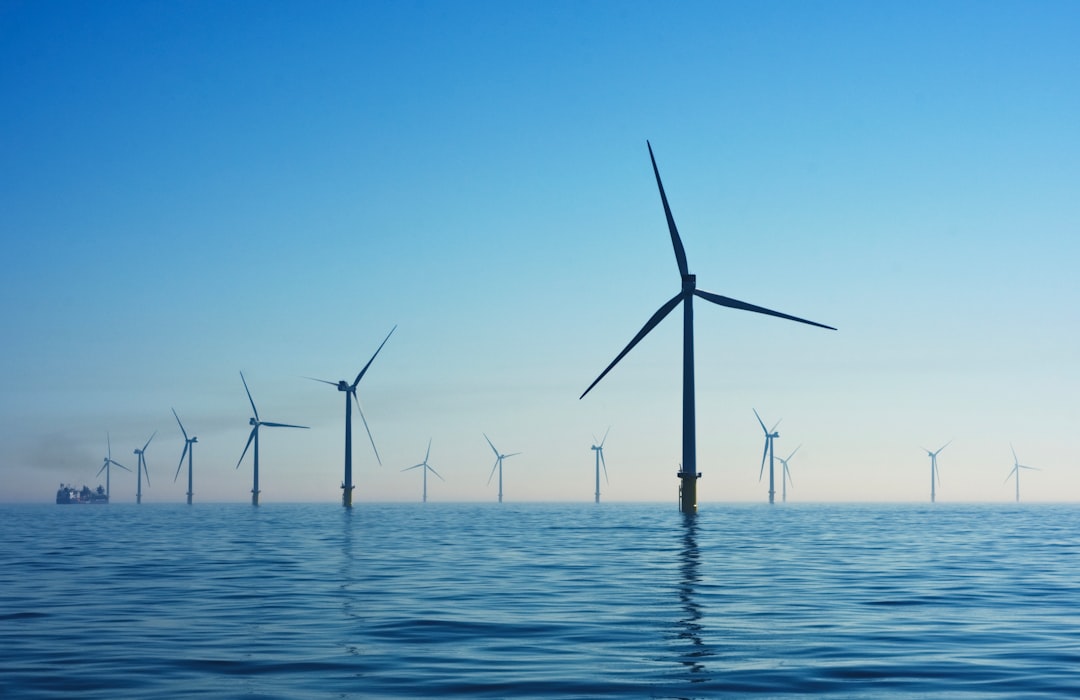
- Wind Energy: Innovations in wind turbine design and offshore wind farms have expanded wind energy’s potential. Improved blade designs and larger turbines are increasing energy output, making wind a competitive energy source (source: American Wind Energy Association).
- Hydroelectric Power: While traditional hydroelectric power remains a major renewable source, small-scale hydropower projects are gaining traction, providing localized energy solutions without large-scale environmental impact (source: International Hydropower Association).
Emerging Technologies in the Energy Sector
Innovations in technology continue to push the boundaries of what’s possible in sustainable energy:
- Bioenergy and Biomass: Advances in bioenergy, such as the use of algae and waste-to-energy technologies, are providing sustainable alternatives to traditional biomass. These methods not only reduce waste but also offer a renewable energy source with a lower carbon footprint (source: Bioenergy International).
- Geothermal Energy: Enhanced geothermal systems are unlocking new geothermal resources by creating reservoirs in hot dry rock through hydraulic fracturing. This technology has the potential to significantly expand geothermal energy’s reach (source: Geothermal Resources Council).
- Tidal and Wave Power: Marine energy technologies harness the power of tides and waves to generate electricity. Although still in the developmental stage, these technologies offer a promising renewable energy source due to the predictability of ocean patterns (source: Ocean Energy Europe).
Economic and Environmental Impact of Sustainable Energy
Economic Advantages of Renewable Energy
The shift towards renewable energy is not only environmentally beneficial but also economically advantageous:
- Job Creation: The renewable energy sector has become a major job creator, with jobs in manufacturing, installation, maintenance, and research. The solar and wind industries, in particular, have seen rapid employment growth (source: International Renewable Energy Agency).
- Energy Independence: By investing in local renewable resources, countries can reduce their dependence on imported fuels, enhancing energy security and stabilizing energy prices (source: U.S. Energy Information Administration).
- Cost Competitiveness: As technology advances and economies of scale improve, the cost of renewable energy continues to fall, making it a cost-competitive alternative to fossil fuels (source: Lazard’s Levelized Cost of Energy Analysis).
Environmental Benefits
The environmental impact of renewable energy is a driving force behind its adoption:
- Reduction in Greenhouse Gas Emissions: Renewable energy sources produce little to no greenhouse gas emissions during operation, significantly reducing the carbon footprint compared to fossil fuels (source: Intergovernmental Panel on Climate Change).
- Reduced Water Usage: Unlike traditional power plants, many renewable energy technologies require minimal water for cooling, reducing stress on local water resources (source: International Energy Agency).
- Biodiversity Conservation: Properly managed renewable energy projects can minimize habitat disruption and contribute to biodiversity conservation efforts (source: United Nations Environment Programme).
Challenges and Solutions in Expanding Sustainable Energy
Overcoming Technical and Infrastructure Barriers
The transition to sustainable energy is not without its challenges:
- Grid Integration: Integrating renewable energy into existing power grids requires significant infrastructure upgrades to handle variable energy sources. Smart grid technologies and energy storage solutions play a crucial role in addressing these challenges (source: U.S. Department of Energy).
- Energy Storage: The intermittent nature of renewable energy necessitates effective storage solutions. Advances in battery technology, such as lithium-ion and flow batteries, are critical for ensuring a stable energy supply (source: Energy Storage Association).
- Supply Chain Complexity: The renewable energy supply chain involves complex logistics and resource management. Streamlining these processes through digital technologies and sustainable sourcing is essential for scalability (source: McKinsey & Company).
Policy and Regulatory Considerations
Supportive policy frameworks are essential for accelerating the adoption of sustainable energy:
- Incentives and Subsidies: Government incentives, such as tax credits and subsidies, can make renewable energy projects more financially viable and attract private investment (source: International Energy Agency).
- Carbon Pricing: Implementing carbon pricing mechanisms can level the playing field for renewables by internalizing the environmental costs of fossil fuels (source: World Bank).
- International Cooperation: Cross-border collaboration on technology development and resource sharing can drive down costs and increase the efficiency of renewable energy deployment (source: International Renewable Energy Agency).
Comparison Table: Key Renewable Energy Technologies
| Technology | Cost Competitiveness | Environmental Impact | Scalability | Job Creation Potential |
|---|---|---|---|---|
| Solar Power | High | Low emissions | High | High |
| Wind Energy | High | Low emissions | High | High |
| Hydroelectric | Moderate | Some habitat impact | Moderate | Moderate |
| Geothermal | Moderate | Low emissions | Moderate | Moderate |
| Bioenergy | Moderate | Low emissions, waste reduction | Moderate | High |
Frequently Asked Questions About Sustainable Energy
What is the most efficient renewable energy source?
Solar and wind energy are among the most efficient renewable sources currently available, with technological advancements continually improving their efficiency.
How can individuals contribute to sustainable energy efforts?
Individuals can support sustainable energy by investing in solar panels, supporting policies that promote renewables, and reducing personal energy consumption through energy-efficient practices.
Are renewable energy sources reliable?
With advancements in energy storage and smart grid technologies, renewable energy sources are becoming increasingly reliable, capable of providing a stable energy supply.
What role do governments play in promoting sustainable energy?
Governments play a crucial role by setting regulatory frameworks, providing financial incentives, and investing in research and development to support sustainable energy initiatives.
How does sustainable energy impact the economy?
Sustainable energy drives economic growth by creating jobs, reducing energy costs, and decreasing reliance on imported fuels, thus enhancing energy security.
Future Outlook: Paving the Path to a Green Energy Future
As the world grapples with climate change and the need for sustainable development, the role of renewable energy is more critical than ever. By fostering innovation, addressing challenges, and implementing supportive policies, the transition to a sustainable energy future is not only possible but inevitable. The continued collaboration between governments, industries, and communities will be essential in achieving a cleaner, more resilient energy landscape that benefits both the planet and its inhabitants.
