

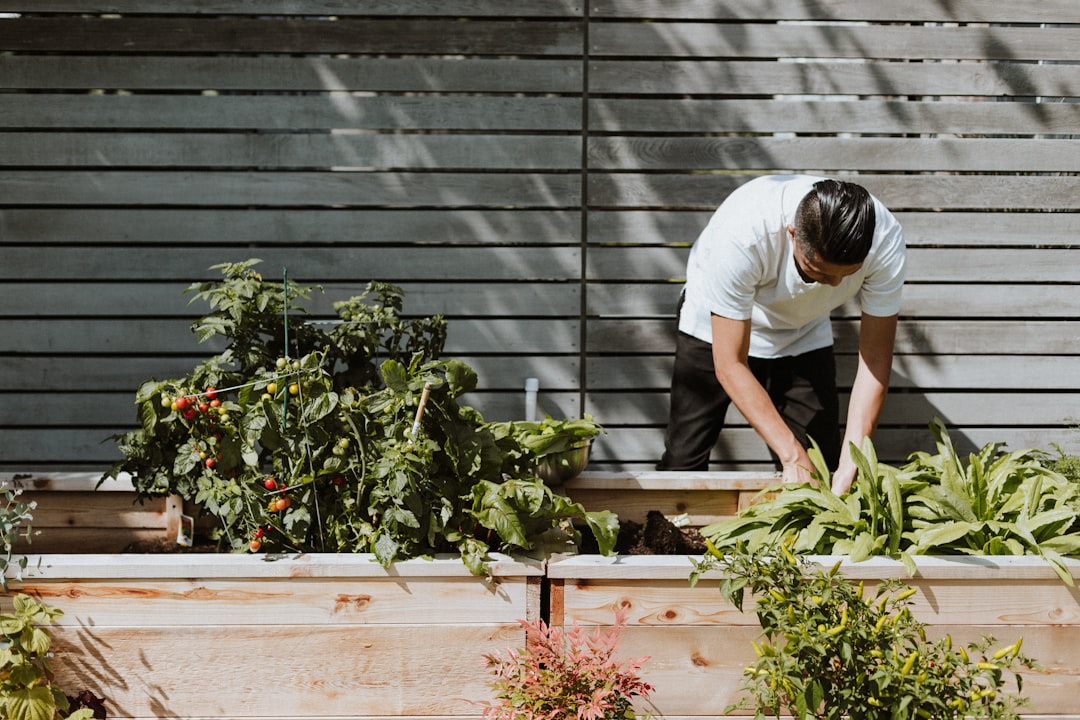
In recent years, urban gardening has surged in popularity, transforming concrete jungles into lush, green havens. This movement is not just about beautifying cityscapes but also about fostering sustainability, improving mental health, and enhancing community engagement. As cities become more crowded and environmental concerns mount, the benefits of urban gardening are increasingly coming into focus.
The Rise of Urban Gardening: A Modern Phenomenon
Urban gardening, once considered a niche hobby, has now become a significant movement embraced by city dwellers worldwide. Factors contributing to its rise include:
- Environmental Awareness: Growing concerns about climate change have encouraged individuals to seek sustainable living practices.
- Limited Space: With urban living spaces shrinking, residents look for innovative ways to incorporate greenery.
- Food Security: Urban gardening offers a solution to food deserts, providing fresh produce in areas where grocery stores are scarce.
Types of Urban Gardens
Urban gardening isn’t a one-size-fits-all endeavor. Various types cater to different needs and constraints:
- Community Gardens: Shared spaces where individuals grow plants collectively, fostering a sense of community.
- Rooftop Gardens: Utilizes the often-unused space atop buildings, providing an oasis in dense urban areas.
- Vertical Gardens: A space-saving solution that involves growing plants on vertically suspended panels.
- Container Gardens: Ideal for those with limited space, using pots or containers to grow plants on balconies or patios.
Benefits of Urban Gardening
Urban gardening is not just about aesthetics. Its benefits extend to various aspects of urban life:
Environmental Impact
- Improved Air Quality: Plants absorb pollutants and release oxygen, enhancing air quality in polluted cities.
- Urban Heat Reduction: Gardens can mitigate the urban heat island effect, cooling cities and reducing energy consumption National Geographic.
Economic Advantages
- Cost Savings: Growing food reduces grocery bills, a significant advantage in areas with high living costs.
- Job Creation: Urban gardens can support local economies by creating jobs related to gardening and maintenance.
Health and Well-being
- Mental Health: Gardening has been shown to reduce stress and improve mood, offering therapeutic benefits American Psychological Association.
- Physical Health: Gardening promotes physical activity, contributing to overall fitness and health.
Social and Community Benefits
- Community Engagement: Gardens bring people together, fostering collaboration and social interaction.
- Educational Opportunities: Urban gardens serve as educational tools, teaching children and adults about sustainability and healthy eating.
Challenges Facing Urban Gardeners
Despite its benefits, urban gardening comes with challenges:
Space Limitations
Finding suitable space in densely populated areas can be difficult, requiring creative solutions like vertical or rooftop gardens.
Soil Quality
Urban soil is often contaminated or of poor quality, necessitating the use of raised beds or imported soil.
Water Access
Reliable water sources are essential, and gardeners must consider efficient irrigation systems to conserve water.
Regulatory Hurdles
Zoning laws and regulations can pose obstacles, requiring gardeners to navigate complex legal landscapes.
Tools and Techniques for Successful Urban Gardening
To overcome these challenges, urban gardeners employ various tools and techniques:
Smart Gardening Tools
- Automated Irrigation Systems: Ensure plants receive consistent moisture without wastage.
- Soil Sensors: Monitor soil health and moisture levels, helping gardeners make informed decisions.
Sustainable Practices
- Composting: Reduces waste and enriches soil, promoting healthier plant growth.
- Rainwater Harvesting: Captures rainwater for garden use, reducing dependency on municipal water supplies.
Innovative Design Solutions
- Modular Planters: Allow flexibility in plant arrangement and can be adapted to various spaces.
- Lightweight Soil Mixes: Ideal for rooftop gardens, reducing structural load while providing nutrients.
Case Studies: Successful Urban Gardening Initiatives
Several cities have embraced urban gardening, showcasing its potential:
New York City: The High Line
The High Line, a repurposed elevated railway, is now a public park featuring native plants and trees. It demonstrates how urban gardening can revitalize unused infrastructure and offer a green refuge in the heart of a bustling city.
Detroit: RecoveryPark
In Detroit, RecoveryPark transforms vacant lots into productive urban farms, providing fresh produce and jobs to the community. This initiative highlights urban gardening’s role in economic revitalization and social empowerment.
Singapore: Skyrise Greenery
Singapore’s commitment to greenery includes mandatory green spaces in new developments and incentives for rooftop gardens. This initiative showcases how urban gardening can be integrated into city planning, enhancing quality of life for residents.
Comparison Table: Urban Gardening Types and Their Characteristics
| Urban Garden Type | Space Required | Initial Cost | Maintenance Level | Ideal For |
|---|---|---|---|---|
| Community Gardens | High | Moderate | High | Community building |
| Rooftop Gardens | Moderate | High | Moderate | Utilizing unused rooftop space |
| Vertical Gardens | Low | Moderate | High | Limited horizontal space |
| Container Gardens | Low | Low | Low | Balconies and small patios |
Frequently Asked Questions About Urban Gardening
How can someone start urban gardening with limited space?
Starting with container gardening or vertical gardens is ideal for limited spaces. These methods allow for flexibility and can be adapted to small balconies or patios.
What plants are best suited for urban gardens?
Herbs, tomatoes, lettuce, and strawberries are excellent choices for beginners due to their adaptability and small space requirements.
How can urban gardeners deal with poor soil quality?
Using raised beds with imported soil or soil amendments can overcome poor soil quality. Composting also enriches soil, providing essential nutrients.
Are there any grants or programs supporting urban gardening?
Many cities offer grants and support programs for community gardens. Checking with local government or environmental organizations can provide more information on available resources.
Future of Urban Gardening: Paving the Way for Green Cities
As urban areas continue to expand, the role of urban gardening will likely grow. By integrating nature into city living, urban gardening not only enhances quality of life but also promotes sustainability and resilience. Cities of the future may well be defined by their green spaces, with urban gardens playing a critical role in shaping healthier, more sustainable urban environments.
Urban gardening is not just a trend—it’s a vital component of modern urban planning. By embracing this movement, cities can address environmental challenges, enhance community well-being, and pave the way for a greener future. As more individuals and communities engage in urban gardening, the potential for positive transformation is immense, promising a future where cities thrive alongside the natural world.
