

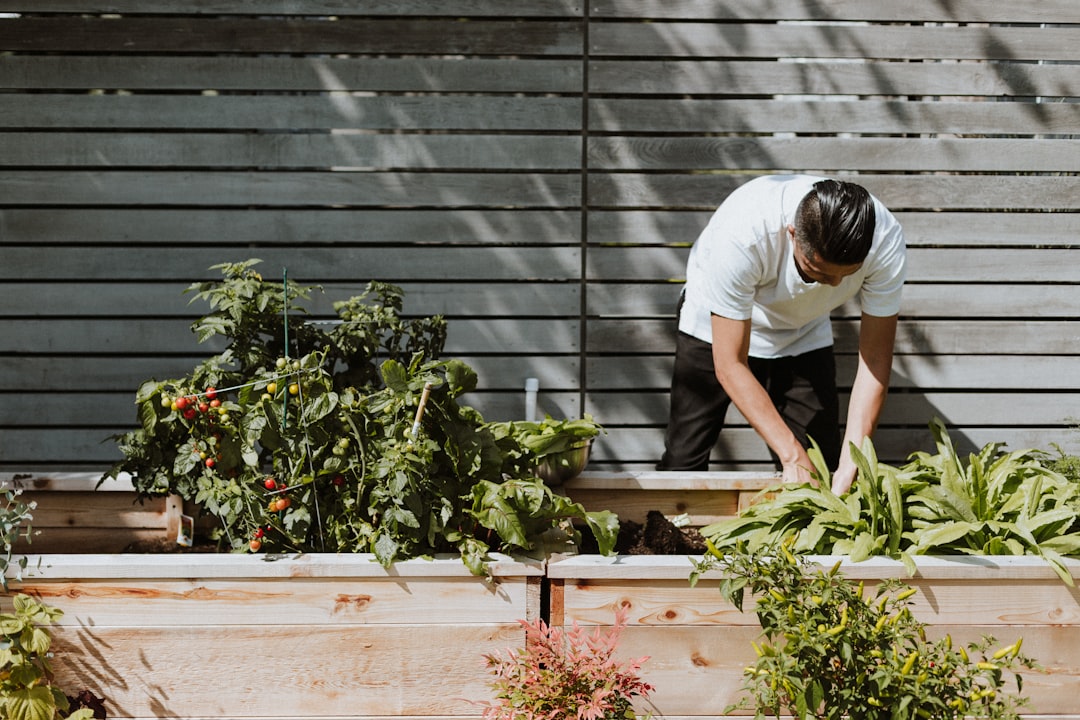
Urban gardening is more than just a trend; it’s a revolution in how city dwellers interact with their environment. This practice is transforming urban spaces into lush, green havens, providing not only aesthetic pleasure but also practical benefits like food production and environmental sustainability. This guide delves into the various dimensions of urban gardening, offering insights into its benefits, techniques, and future potential.
The Rise of Urban Gardening: Factors Fueling the Movement
Urban gardening has seen significant growth in recent years, driven by several interrelated factors:
- Environmental Awareness: Increasing concerns over climate change and environmental degradation have spurred interest in sustainable living practices, including urban gardening.
- Food Security: The desire to have control over food sources, especially in urban areas where access to fresh produce can be limited, is a strong motivator for many city dwellers.
- Community Building: Urban gardening fosters community spirit, providing opportunities for residents to connect and collaborate on shared projects.
- Health and Well-being: The physical activity involved in gardening, along with the mental health benefits of interacting with nature, makes it an attractive hobby for city residents.
Key Techniques and Approaches in Urban Gardening
Urban gardening encompasses a variety of methods, each with its unique advantages and challenges. Here are some popular techniques:
Container Gardening
This method involves growing plants in containers, making it ideal for those with limited space. Key considerations include:
- Container Selection: Choose containers with adequate drainage and size appropriate for the plant’s growth.
- Soil and Nutrients: Use high-quality potting mix and regularly supplement with nutrients.
- Watering and Drainage: Ensure consistent watering while avoiding waterlogging.
Vertical Gardening
Perfect for space-constrained environments, vertical gardening involves growing plants on vertically suspended panels or structures. Essential elements include:
- Support Structures: Use trellises, shelves, or wall planters to support plant growth.
- Light and Airflow: Position plants to maximize sunlight exposure and ensure adequate air circulation.
- Plant Selection: Opt for climbing plants or those well-suited to vertical growth, such as peas, beans, and certain flowers.
Hydroponics
A soil-less gardening technique, hydroponics uses nutrient-rich water to grow plants. This method is advantageous for urban settings due to its efficiency and space-saving nature. Key components involve:
- Nutrient Solutions: Carefully balanced solutions provide essential nutrients for plant growth.
- Water Management: Maintain appropriate water levels and monitor pH balance.
- System Types: Choose from various systems like nutrient film technique (NFT), deep water culture, or aeroponics.
Community Gardens
Community gardens are shared spaces where individuals grow plants collectively. These gardens offer numerous social and environmental benefits:
- Shared Resources: Pooling resources such as tools and seeds can reduce individual costs.
- Skill Sharing: Participants can learn from each other, enhancing gardening techniques and knowledge.
- Biodiversity: Diverse plantings can improve local ecosystems and promote biodiversity.
Environmental and Social Benefits of Urban Gardening
Urban gardening offers a multitude of benefits that extend beyond personal enjoyment. These include:
Environmental Impact
- Biodiversity Enhancement: Urban gardens provide habitats for pollinators and other wildlife, contributing to biodiversity.
- Carbon Sequestration: Plants absorb carbon dioxide, helping to mitigate urban heat island effects and improve air quality.
- Waste Reduction: Composting organic waste reduces landfill contributions and enriches soil.
Social and Economic Contributions
- Food Accessibility: Urban gardens can alleviate food deserts by providing fresh produce locally.
- Job Creation: They support local economies through job creation in gardening-related services and businesses.
- Community Engagement: Gardens serve as platforms for community engagement and education, fostering stronger social bonds.
Challenges and Solutions in Urban Gardening
While urban gardening presents numerous benefits, it also faces various challenges. Understanding these obstacles and implementing practical solutions is crucial for success.
Space Constraints
- Solution: Maximize vertical space and use small-scale techniques like container and rooftop gardening.
Soil Quality
- Solution: Use raised beds or imported soil to circumvent contaminated urban soils. Regularly test soil quality and amend as needed.
Water Access
- Solution: Install rainwater harvesting systems and use efficient irrigation methods such as drip irrigation.
Future Prospects: Urban Gardening as a Catalyst for Change
Urban gardening is poised to play a critical role in shaping sustainable urban futures. Emerging trends and technologies are likely to amplify its impact:
- Smart Gardening: Integration of IoT devices and smart technology can optimize resource use and improve garden management.
- Policy Support: Increasing governmental support for urban agriculture initiatives can facilitate growth and accessibility.
- Educational Programs: Expanding educational outreach can equip more individuals with the skills needed to start their urban gardens.
Comparison of Urban Gardening Techniques
To better understand the varied approaches to urban gardening, here’s a comparison of key methods:
| Technique | Space Requirement | Initial Cost | Maintenance Level | Suitability for Beginners |
|---|---|---|---|---|
| Container Gardening | Low | Low | Moderate | High |
| Vertical Gardening | Moderate | Moderate | Moderate | Medium |
| Hydroponics | Low | High | High | Low |
| Community Gardens | High | Low | Low | High |
Frequently Asked Questions
What plants are best suited for urban gardening?
For beginners, herbs like basil, mint, and cilantro are excellent choices due to their hardy nature and quick growth. Leafy greens such as lettuce and spinach also thrive in small spaces and are easy to manage.
How can urban gardeners deal with pests?
Natural pest control methods, such as introducing beneficial insects or using organic pesticides, are effective and environmentally friendly. Maintaining healthy soil and plants can also prevent pest infestations.
Is urban gardening cost-effective?
While initial setup might require some investment, urban gardening can be cost-effective in the long run, especially when growing high-value crops. Sharing resources in community gardens further reduces costs.
How do urban gardens contribute to mental health?
Engaging with nature through gardening has been shown to reduce stress levels, improve mood, and enhance overall well-being. The act of nurturing plants and witnessing their growth provides a sense of purpose and accomplishment.
What role do urban gardens play in education?
Urban gardens serve as valuable educational tools, teaching children and adults alike about plant biology, ecology, and sustainability. They provide hands-on learning experiences and contribute to scientific literacy.
Reflecting on the Future: Urban Gardening as a Sustainable Lifestyle Choice
Urban gardening is much more than a hobby; it’s a transformative practice that embodies sustainability, community, and resilience. As we look to the future, the potential for urban gardening to address some of the most pressing challenges of our time is immense. By embracing this practice, individuals and communities can contribute to a greener, healthier, and more sustainable urban landscape.
