

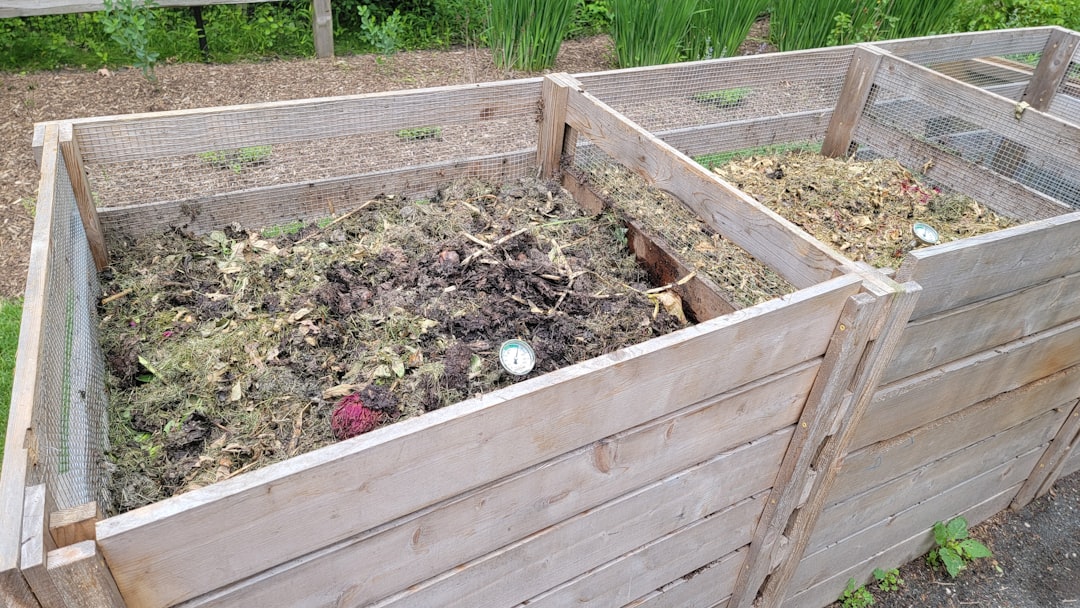
In recent years, composting has gained significant traction as a sustainable practice to reduce household waste and enrich garden soil. With the increasing awareness of environmental conservation, more individuals are turning to composting as a way to recycle organic waste and contribute positively to the ecosystem. This guide explores the intricacies of home composting, offering practical advice, expert insights, and a comprehensive understanding of the process.
The Science Behind Composting
Composting is a natural process that transforms organic waste into nutrient-rich soil amendments. This process involves the decomposition of organic matter by microorganisms, including bacteria, fungi, and invertebrates like worms. These organisms break down materials into simpler compounds, resulting in a dark, crumbly substance known as compost.
Key Components of Composting
Successful composting hinges on the balance of four essential components:
- Brown materials: These are carbon-rich items like dried leaves, straw, and paper. They provide energy for microorganisms and help maintain airflow.
- Green materials: Nitrogen-rich materials such as vegetable scraps, coffee grounds, and grass clippings. These accelerate the decomposition process.
- Water: Moisture is vital for microbial activity. The compost pile should be as damp as a wrung-out sponge.
- Air: Oxygen is necessary for aerobic decomposition. Regular turning of the compost pile ensures adequate aeration.
Setting Up Your Home Composting System
Choosing the right composting method depends on various factors, including available space, time commitment, and personal preference. Here are some popular methods:
Backyard Composting
Backyard composting is ideal for those with ample outdoor space. It involves creating a compost pile or using a bin to accumulate organic waste.
- Select a location: Choose a spot with good drainage and partial shade to avoid drying out the pile.
- Build or buy a bin: A compost bin helps contain materials and retains heat. Options range from homemade wooden structures to commercial plastic bins.
- Layer materials: Alternate between brown and green materials to maintain a balance of carbon and nitrogen.
- Turn regularly: Aerate the pile every few weeks to speed up decomposition.
Vermicomposting
For those with limited space, vermicomposting, or worm composting, offers a compact solution. This method uses worms to break down organic waste.
- Choose a container: A plastic or wooden box with drainage holes works well.
- Add bedding: Shredded newspaper or coconut coir makes suitable bedding for worms.
- Introduce worms: Red wigglers are the most effective for vermicomposting.
- Feed appropriately: Avoid citrus, onions, and meat, which can harm worms.
Bokashi Composting
Bokashi composting involves fermenting organic waste using a special inoculant.
- Use a Bokashi bucket: These buckets are designed to be airtight and come with a spigot for draining liquid byproduct.
- Add inoculant: Sprinkle Bokashi bran over layers of food waste.
- Ferment: Seal the bucket for two weeks before burying the contents in soil.
Troubleshooting Common Composting Challenges
Even seasoned composters encounter issues. Here’s how to address some common problems:
Odor Issues
Unpleasant smells often indicate an imbalance of materials or lack of oxygen.
- Solution: Add more brown materials to absorb moisture and turn the pile to increase aeration.
Pest Problems
Pests like rodents and flies can be attracted to compost piles.
- Solution: Avoid adding meat and dairy products. Use a bin with a lid and ensure the pile is properly covered.
Slow Decomposition
If your compost isn’t breaking down quickly, it might be too dry or lack nitrogen.
- Solution: Add water to moisten the pile and incorporate more green materials.
Benefits of Home Composting
The advantages of composting extend beyond waste reduction. Here’s what you gain:
- Enhances soil quality: Compost improves soil structure, fertility, and water retention.
- Reduces landfill waste: Composting diverts organic waste from landfills, reducing methane emissions.
- Saves money: Homemade compost replaces store-bought fertilizers.
- Promotes biodiversity: Healthy compost supports a diverse range of soil organisms.
Comparative Analysis: Composting Methods
| Method | Space Required | Time to Compost | Maintenance Level | Suitable Materials |
|---|---|---|---|---|
| Backyard | Large | 6-12 months | Moderate | Yard waste, kitchen scraps |
| Vermicomposting | Small | 2-3 months | Low | Vegetable scraps, paper |
| Bokashi | Small | 4-6 weeks | Low | All food waste |
Frequently Asked Questions
What can I compost?
- Compostable items: Fruit and vegetable peels, coffee grounds, eggshells, plant clippings.
- Avoid: Meat, dairy, oily foods, diseased plants.
How long does composting take?
The time frame varies depending on the method and conditions. Generally, it ranges from a few months to a year.
Can I compost in winter?
Yes, composting can continue through winter. Insulate the pile with straw or leaves to retain heat.
How do I know when my compost is ready?
Finished compost is dark, crumbly, and has an earthy smell. It should no longer resemble the original materials.
Is composting safe for all plants?
Compost is generally safe for most plants. However, ensure it’s fully decomposed to prevent nutrient imbalances.
Moving Forward with Composting
Embracing composting is a step toward sustainable living. By recycling organic waste, individuals contribute to a healthier environment and reap the benefits of richer soil for gardening. Whether choosing backyard composting, vermicomposting, or Bokashi, each method offers unique advantages suited to different lifestyles. As the global community continues to prioritize sustainability, composting remains a simple yet impactful practice that aligns with eco-friendly goals.
For those interested in diving deeper into the world of composting, resources such as the U.S. Environmental Protection Agency and Compost Foundation provide extensive information and support.
