

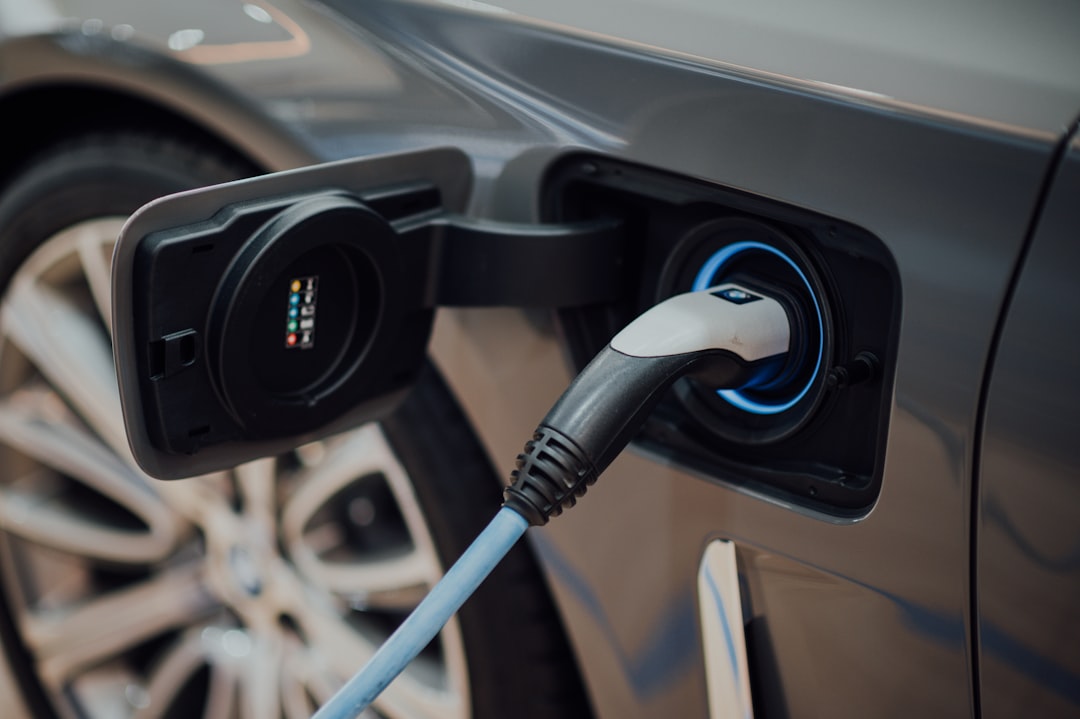
The automotive landscape is undergoing a significant transformation, with electric vehicles (EVs) at the forefront of this revolution. As governments, companies, and consumers become increasingly conscious of environmental impacts and sustainable practices, the push towards electric mobility is intensifying. This comprehensive exploration delves into the current state of electric vehicles, examining key trends, challenges, and opportunities that define this dynamic sector.
The Rise of Electric Vehicles: A Brief Overview
Electric vehicles have evolved from niche products to mainstream contenders in the automotive industry. This shift is driven by several factors:
- Environmental Concerns: With climate change at the forefront of global issues, reducing reliance on fossil fuels is imperative. EVs produce zero tailpipe emissions, significantly lowering carbon footprints.
- Technological Advancements: Improvements in battery technology have increased range and decreased charging times, making EVs more practical for everyday use.
- Government Policies: Incentives, subsidies, and stringent emission regulations are pushing both manufacturers and consumers towards electric options.
Key Trends Shaping the Electric Vehicle Market
Battery Innovations: Driving Range and Affordability
Battery technology is the cornerstone of electric vehicle development. Recent breakthroughs include:
- Solid-State Batteries: These promise higher energy density and faster charging times, reducing costs and increasing vehicle range. Solid-state technology is expected to overcome current limitations of lithium-ion batteries, making EVs more accessible.
- Recycling and Sustainability: As battery demand increases, so does the need for sustainable disposal and recycling. Companies are investing in processes to reclaim valuable materials, reducing environmental impact.
Infrastructure Developments: Charging Networks
The expansion of charging infrastructure is crucial for widespread EV adoption. Key developments include:
- Fast Charging Stations: The proliferation of fast-charging networks reduces range anxiety, allowing drivers to recharge quickly during long trips.
- Smart Charging Solutions: Integrating renewable energy sources and grid management systems ensures efficient, eco-friendly charging. These systems optimize energy use, reducing strain on local grids.
Market Diversification: Beyond Passenger Vehicles
The EV market is expanding beyond passenger cars into various sectors, including:
- Commercial Fleets: Delivery and logistic companies are increasingly investing in electric vans and trucks, capitalizing on lower operational costs and meeting sustainability goals.
- Two-Wheelers and Micromobility: Electric scooters and bikes are gaining popularity in urban areas, offering a convenient and eco-friendly alternative to traditional transport modes.
Challenges Facing the Electric Vehicle Industry
Despite promising advancements, the electric vehicle sector faces several hurdles:
Supply Chain Constraints
- Material Shortages: The demand for raw materials like lithium, cobalt, and nickel is surging, leading to potential supply chain bottlenecks. Diversification and sustainable sourcing strategies are essential to mitigate these risks.
- Manufacturing Capacity: Scaling production to meet demand while maintaining quality and affordability remains a challenge for manufacturers.
Consumer Perception and Adoption
- Range Anxiety: Despite improvements, concerns about limited range and charging infrastructure persist among potential buyers.
- Cost Considerations: The initial purchase price of EVs can be a barrier, even though total cost of ownership is often lower than traditional vehicles due to reduced fuel and maintenance expenses.
Regulatory and Policy Landscape
- Inconsistent Policies: Variability in government incentives and regulations across different regions can complicate market dynamics.
- Standardization Issues: A lack of uniform standards for charging infrastructure and vehicle components can hinder interoperability and increase costs.
Opportunities for Growth and Innovation
The electric vehicle industry stands at a pivotal point, with numerous opportunities for growth and innovation:
Strategic Partnerships and Collaborations
- Cross-Industry Alliances: Collaborations between automotive companies, tech firms, and energy providers can drive innovation and accelerate the deployment of new technologies.
- Public-Private Partnerships: Joint efforts can enhance infrastructure development and policy implementation, fostering a more conducive environment for EV adoption.
Technological Integration and Smart Features
- Autonomous Driving: The integration of autonomous technology with EVs could redefine personal and commercial transport, enhancing safety and efficiency.
- Connected Vehicles: IoT and AI advancements enable smarter EVs that communicate with each other and infrastructure, offering enhanced user experiences and optimized traffic management.
Emerging Markets and Global Expansion
- Developing Economies: As infrastructure improves, developing markets present significant opportunities for EV growth, providing a sustainable solution to burgeoning urbanization challenges.
- Global Standardization: Efforts towards harmonizing standards and practices across regions can facilitate international trade and technology transfer.
Comparative Analysis: Electric vs. Traditional Vehicles
A detailed comparison of electric and traditional vehicles highlights the transformative potential of EVs:
| Feature | Electric Vehicles | Traditional Vehicles |
|---|---|---|
| Emissions | Zero tailpipe emissions | Significant CO2 emissions |
| Fuel Efficiency | High (electric motors are efficient) | Varies (depends on engine) |
| Maintenance Costs | Lower (fewer moving parts) | Higher (more complex systems) |
| Operational Costs | Generally lower (electricity cheaper) | Higher (fuel costs) |
| Driving Range | Improving, but still a concern | Typically greater |
| Initial Purchase Cost | Higher initially, but decreasing | Varies widely |
Frequently Asked Questions About Electric Vehicles
What are the environmental benefits of electric vehicles?
Electric vehicles contribute significantly to reducing air pollution and greenhouse gas emissions. They operate with zero tailpipe emissions, which helps decrease urban smog and improve air quality. Moreover, as the electricity grid becomes greener, the overall lifecycle emissions of EVs further decline.
How long does it take to charge an electric vehicle?
Charging times vary based on the type of charger used. Level 1 chargers (standard household outlets) can take several hours, while Level 2 chargers (installed at home or public locations) typically take a few hours. Fast chargers can recharge a vehicle to 80% in around 30 minutes.
Are electric vehicles more expensive to maintain?
Electric vehicles generally require less maintenance than traditional vehicles due to fewer moving parts and no need for oil changes. However, battery replacement can be costly, although warranties and improvements in battery lifespan mitigate this issue.
What incentives are available for electric vehicle buyers?
Many governments offer incentives such as tax credits, rebates, reduced registration fees, and access to carpool lanes to encourage EV adoption. These incentives vary by region and are subject to change.
Can electric vehicles perform well in cold climates?
Cold weather can affect battery performance, reducing range. However, modern EVs are equipped with thermal management systems to mitigate these effects, and manufacturers are continually improving battery technology to enhance performance in various conditions.
Reflecting on the Electric Vehicle Revolution
The electric vehicle industry is poised for transformative growth, driven by technological advancements, environmental imperatives, and evolving consumer preferences. As the sector navigates challenges such as supply chain constraints and regulatory complexities, the opportunities for innovation and expansion are vast. Through strategic partnerships, technological integration, and an emphasis on sustainability, electric vehicles are set to redefine the future of transportation, offering a cleaner, more efficient, and connected world.
For further insights and resources on electric vehicles, consider exploring authoritative organizations and industry reports that provide detailed analyses and forecasts. Engaging with these resources can deepen understanding and foster informed discussions about the future of mobility.
