

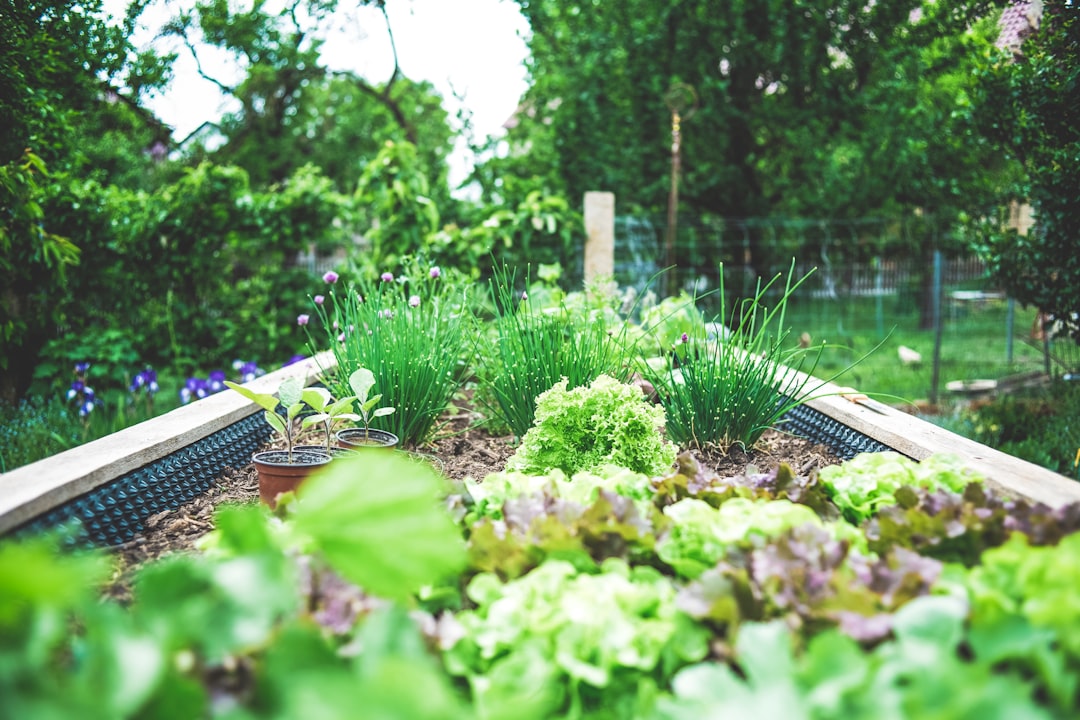
Urban gardening has emerged as a powerful tool in reshaping urban landscapes and promoting sustainability in cities worldwide. This practice not only enhances environmental quality but also strengthens community bonds and improves food security in densely populated areas. By examining the various facets of urban gardening, one can appreciate its profound impact on modern urban living.
Urban Gardening: A Catalyst for Environmental Health
Urban gardens are not just patches of green in a cityscape; they play a critical role in mitigating the environmental challenges faced by urban areas.
Reducing Urban Heat Islands
Urban heat islands (UHIs) are a significant concern in densely populated cities. These areas experience higher temperatures due to human activities and dense infrastructure. Urban gardens help combat UHIs by:
- Increasing Vegetation Cover: Green spaces absorb sunlight, reduce surface temperatures, and provide shade, thus cooling the surrounding areas.
- Enhancing Air Quality: Plants in urban gardens filter pollutants and produce oxygen, improving air quality.
Research published in Environmental Health Perspectives shows that urban greenery can decrease local air temperatures by up to 5 degrees Fahrenheit.
Promoting Biodiversity
Urban gardens serve as crucial habitats for various species, fostering biodiversity in city environments. They provide:
- Habitat for Pollinators: Bees, butterflies, and other pollinators thrive in urban gardens, ensuring the pollination of plants, which is vital for ecological balance.
- Diverse Plant Species: The variety of plants in urban gardens supports a wide range of wildlife, contributing to a balanced ecosystem.
Food Security and Urban Gardening
One of the most significant benefits of urban gardening is its contribution to food security, especially in food deserts—areas with limited access to affordable and nutritious food.
Local Food Production
Urban gardens enable local food production, reducing dependency on long supply chains. This has several advantages:
- Fresher Produce: Locally grown food reaches consumers quickly, ensuring freshness and retaining nutritional value.
- Reduced Carbon Footprint: Shorter supply chains mean fewer emissions from transportation, contributing to lower overall carbon footprints.
A study by the Journal of Hunger & Environmental Nutrition highlights that urban agriculture can significantly boost local food production, potentially supplying up to 20% of the fresh produce needs in some urban areas.
Economic Empowerment
Urban gardening can also foster economic empowerment by:
- Creating Jobs: From garden maintenance to the sale of produce, urban gardening creates employment opportunities.
- Encouraging Entrepreneurship: Individuals can start small businesses around urban gardening, such as selling surplus produce or offering gardening services.
Community Building Through Urban Gardening
Gardening in urban settings is not solely about plants; it’s about people and community development.
Strengthening Social Networks
Gardens can be community hubs that bring people together. They:
- Foster Cooperation: Shared gardening projects require collaboration, strengthening community ties.
- Provide Educational Opportunities: Community gardens offer a platform for learning about horticulture and sustainable practices.
Enhancing Mental and Physical Health
Engaging in urban gardening has been linked to numerous health benefits:
- Physical Activity: Gardening involves physical labor, promoting exercise and physical health.
- Mental Well-being: The act of gardening can reduce stress and improve mood, contributing to better mental health.
According to research from the American Journal of Public Health, participants in community gardening reported lower levels of stress and higher life satisfaction.
Innovative Urban Gardening Models
The success of urban gardening hinges on innovative models that adapt to specific urban contexts. These models include:
Vertical Gardens
Vertical gardening maximizes limited space by growing plants on vertically suspended panels. Benefits include:
- Space Efficiency: Ideal for small spaces, maximizing green areas in constrained environments.
- Aesthetic Appeal: Vertical gardens enhance the visual appeal of urban spaces, contributing to urban beautification.
Rooftop Gardens
Rooftop gardens utilize otherwise unused space, offering benefits such as:
- Improved Insulation: They reduce energy consumption by providing natural insulation.
- Stormwater Management: Rooftop gardens absorb rainwater, reducing runoff and easing the burden on urban drainage systems.
Hydroponic Systems
Hydroponics involves growing plants in nutrient-rich water, offering a soil-less alternative that is highly efficient:
- Water Efficiency: Hydroponic systems can use up to 90% less water than traditional soil gardening.
- Year-Round Production: Controlled environments allow for constant production regardless of season.
Comparison Table: Traditional vs. Urban Gardening
| Aspect | Traditional Gardening | Urban Gardening |
|---|---|---|
| Space Requirement | Requires large open spaces | Can utilize small/vertical spaces |
| Water Usage | High | More efficient (e.g., hydroponics) |
| Accessibility | Limited to rural/suburban areas | Accessible in urban settings |
| Biodiversity | Generally lower in monocultures | Higher due to diverse planting |
| Community Impact | Limited local community focus | Significant in urban community building |
Frequently Asked Questions (FAQs) About Urban Gardening
How does urban gardening contribute to sustainability?
Urban gardening contributes to sustainability by reducing food miles, enhancing biodiversity, improving air quality, and lowering urban temperatures. It also promotes sustainable practices and resource management.
Can urban gardening be profitable?
Yes, urban gardening can be profitable. By selling produce, offering gardening workshops, or providing maintenance services, individuals and communities can generate income.
What are the challenges of urban gardening?
Challenges include limited space, soil contamination, high start-up costs, and regulatory hurdles. Innovative solutions like vertical gardens and hydroponics can help overcome these obstacles.
How can someone start an urban garden?
Starting an urban garden involves selecting a suitable site, choosing appropriate plants, and securing necessary resources like soil, water, and light. Joining a community garden can also provide support and shared resources.
Is urban gardening safe?
Urban gardening is generally safe, though soil contamination in urban areas can pose risks. Testing soil and using raised beds or containers can mitigate these concerns.
Concluding Thoughts: Cultivating a Greener Future
Urban gardening represents a paradigm shift towards sustainable urban living. It offers tangible benefits, from environmental improvements to social cohesion and economic opportunities. As urban populations continue to grow, embracing urban gardening can pave the way for healthier, more resilient cities. Encouraging this practice not only helps address urban challenges but also fosters a deeper connection between people and the natural environment. For those looking to engage with their communities and contribute to sustainability, urban gardening presents an accessible and impactful way forward.
