

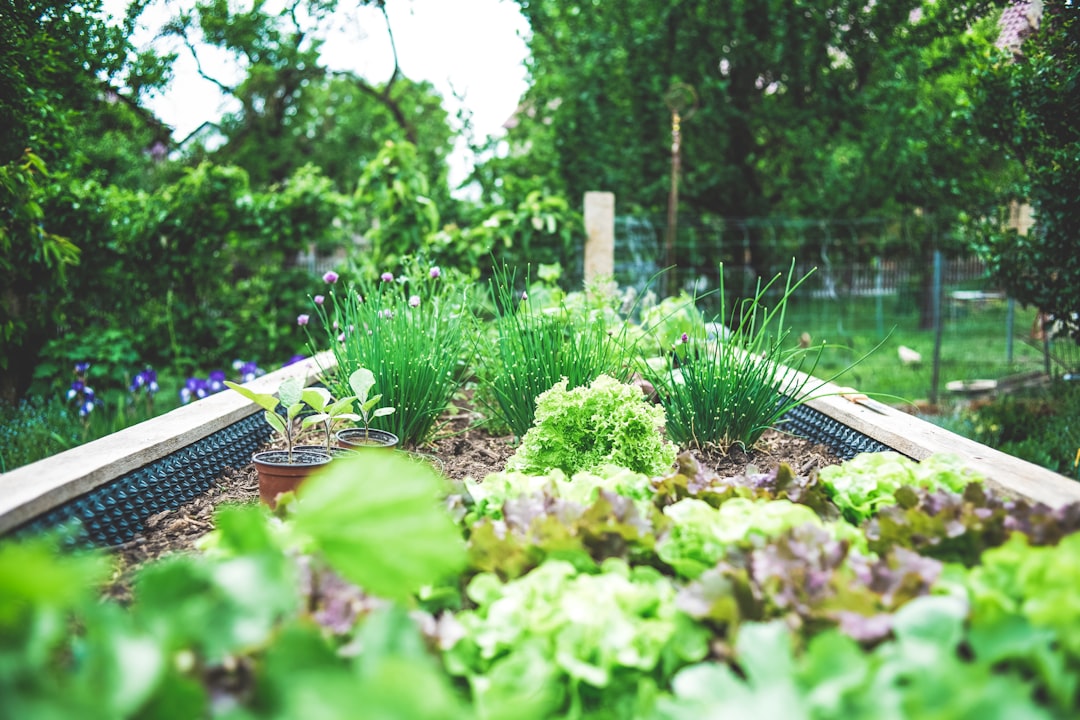
Urban gardening has emerged as a powerful trend, transforming concrete jungles into thriving ecosystems. This guide explores the multifaceted world of urban gardening, providing insights, strategies, and solutions for city dwellers eager to cultivate their own green sanctuaries.
The Rise of Urban Gardening: From Necessity to Lifestyle Choice
Urban gardening’s popularity can be attributed to several factors, including environmental consciousness, health awareness, and the desire for sustainable living. Cities, often characterized by limited green spaces, present unique challenges and opportunities for gardening enthusiasts.
Historical Perspective: A Journey Through Time
- Victory Gardens: During wartime, city dwellers turned to gardening to supplement food rations, showcasing resilience and resourcefulness.
- Community Gardens: Originating in the 1970s, these gardens provided shared spaces for urbanites to grow food and foster community bonds.
The evolution from necessity to lifestyle choice reflects broader societal shifts towards sustainability and self-sufficiency.
Types of Urban Gardens: Finding the Right Fit
Understanding the various forms of urban gardening is crucial for selecting the right approach.
Container Gardening: Small Spaces, Big Impact
- Flexibility: Ideal for balconies and patios, containers allow for mobility and experimentation.
- Diversity: A variety of plants, from herbs to vegetables, can thrive in containers.
Vertical Gardens: Maximizing Vertical Space
- Space Efficiency: Vertical gardens utilize walls and fences, making them perfect for cramped environments.
- Aesthetic Appeal: These gardens add a visual dimension, transforming bland surfaces into lush, green walls.
Rooftop Gardens: Elevating Urban Greenery
- Urban Heat Island Mitigation: Rooftop gardens help regulate building temperatures and improve air quality.
- Community Building: Shared rooftops can become communal spaces, fostering collaboration and interaction.
| Type of Garden | Best For | Key Benefits |
|---|---|---|
| Container | Small spaces | Flexibility, mobility, variety |
| Vertical | Limited ground space | Space efficiency, aesthetic appeal |
| Rooftop | Larger urban structures | Temperature regulation, community |
The Benefits of Urban Gardening: Beyond the Green
Urban gardening offers a multitude of benefits that extend beyond mere aesthetics.
Environmental Impact: Greening the Cityscape
- Biodiversity Enhancement: Urban gardens provide habitats for pollinators and other wildlife, promoting biodiversity.
- Air Quality Improvement: Plants absorb pollutants, contributing to cleaner air in urban environments.
Health and Well-being: Cultivating Wellness
- Physical Activity: Gardening is a form of exercise that can improve physical health.
- Mental Health: The act of nurturing plants has been linked to reduced stress and enhanced mental well-being.
Economic and Social Advantages: Growing More Than Plants
- Cost Savings: Growing one’s own food can lead to significant savings on grocery bills.
- Community Engagement: Gardens can act as social hubs, reducing isolation and fostering a sense of belonging.
Creating a Successful Urban Garden: Practical Considerations
Embarking on an urban gardening journey requires careful planning and execution.
Site Selection: Choosing the Optimal Location
- Sunlight Exposure: Most plants require at least six hours of sunlight daily; assess available light when choosing a site.
- Access to Water: Ensure easy access to a water source for regular irrigation.
Soil and Fertilization: Building a Strong Foundation
- Soil Quality: Use high-quality potting mix or amend existing soil with compost to enhance fertility.
- Nutrient Management: Regular fertilization is essential for plant health and productivity.
Plant Selection: Tailoring to Environment and Preferences
- Climate Adaptation: Select plants suited to local climate conditions to ensure resilience.
- Personal Preferences: Consider factors such as taste, aesthetics, and maintenance level when choosing plants.
Overcoming Common Urban Gardening Challenges
Urban gardening is not without its challenges, but with the right strategies, these can be effectively managed.
Pest Management: Protecting Your Plants
- Integrated Pest Management (IPM): Use a combination of cultural, mechanical, and biological controls to manage pests sustainably.
- Natural Predators: Encourage the presence of beneficial insects to keep pest populations in check.
Space Constraints: Innovative Solutions
- Multi-Tiered Planters: Utilize vertical space with tiered planters to maximize growing area.
- Companion Planting: Grow complementary plants together to save space and boost yields.
Urban Pollutants: Ensuring Plant Safety
- Soil Testing: Regularly test soil for contaminants, particularly in areas with a history of industrial activity.
- Raised Beds: Consider using raised beds with clean soil to minimize exposure to urban pollutants.
Expert Insights: Tips and Tricks for Urban Gardeners
- Water Conservation: Employ drip irrigation systems to reduce water usage and ensure efficient delivery.
- Seasonal Planting: Rotate crops seasonally to maintain soil health and optimize harvests.
- Community Resources: Engage with local gardening clubs and community initiatives for support and knowledge sharing.
Frequently Asked Questions: Addressing Common Concerns
What is the best soil for container gardening?
High-quality potting mixes, often enriched with organic matter, are ideal for container gardening due to their ability to retain moisture while providing adequate drainage.
How can I start a community garden in my neighborhood?
Begin by gauging community interest, securing a location, and forming a group to oversee planning and management. Collaborate with local authorities and organizations for support and resources.
Are there any specific plants that thrive in urban environments?
Herbs like basil and mint, leafy greens such as lettuce and spinach, and root vegetables like radishes are well-suited to urban gardening due to their adaptability and space efficiency.
How do I deal with limited sunlight in my urban garden?
Choose shade-tolerant plants, use reflective surfaces to maximize available light, and consider grow lights for indoor gardens.
Final Reflections: Cultivating a Greener Future
Urban gardening is more than a hobby; it’s a movement towards sustainable living and community resilience. By embracing urban gardening, individuals can contribute to environmental health, personal well-being, and social cohesion. Whether through a modest container garden or an ambitious rooftop project, the potential to transform urban spaces is within reach. As cities continue to grow, so too must our commitment to cultivating greener, more vibrant communities.
